What is the process for an archaeological excavation in the Gard?
A modern archaeological excavation must comply with very strict heritage regulations and is divided into several key stages:
Preventive diagnosis:
Before any land development takes place, the Regional Archaeology Service (SRA), which is part of the DRAC (Regional Directorate for Cultural Affairs), assesses the risk of destroying hidden cultural heritage. If there are serious indications of such a risk, an excavation is ordered.
Fieldwork:
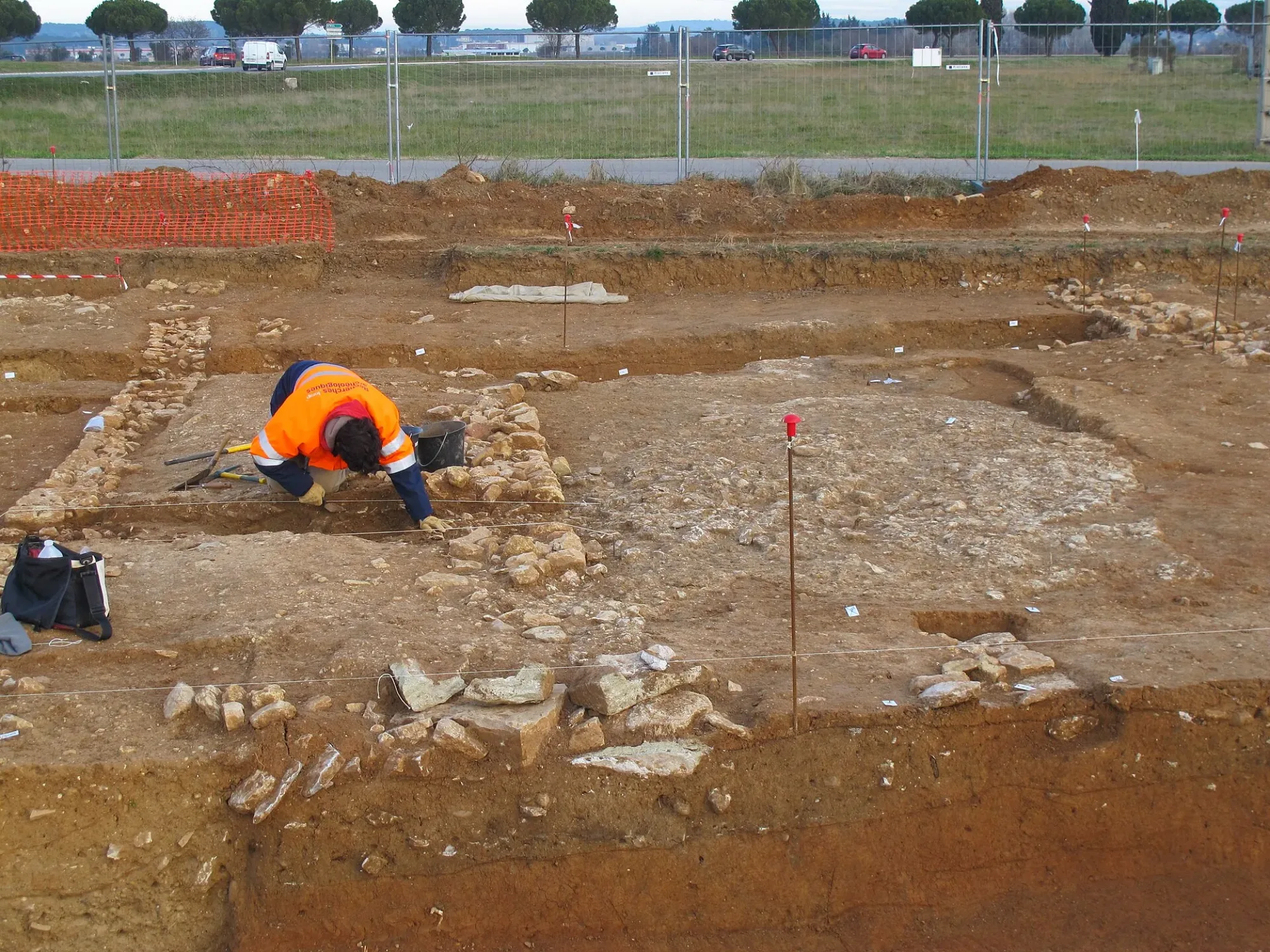
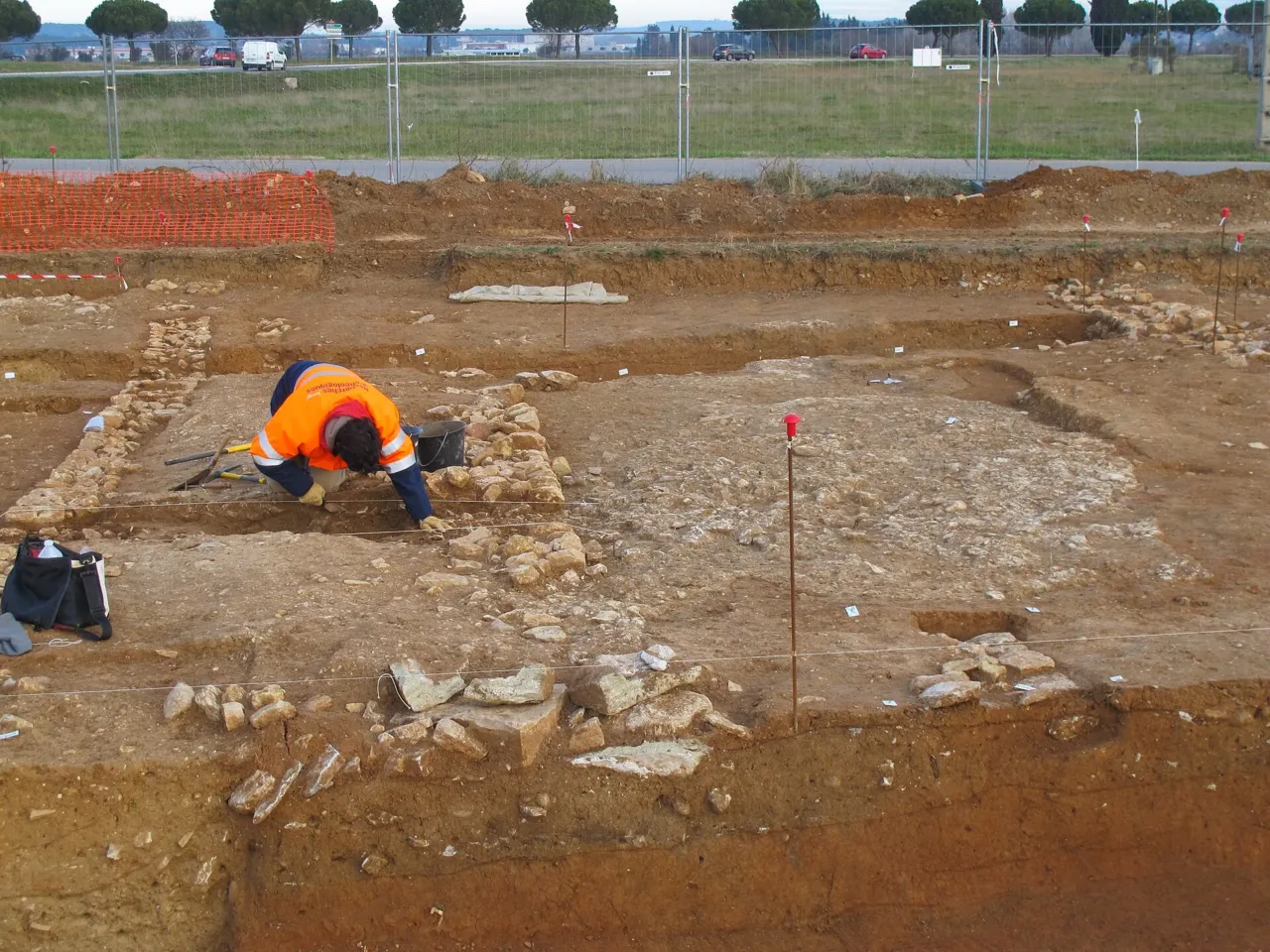
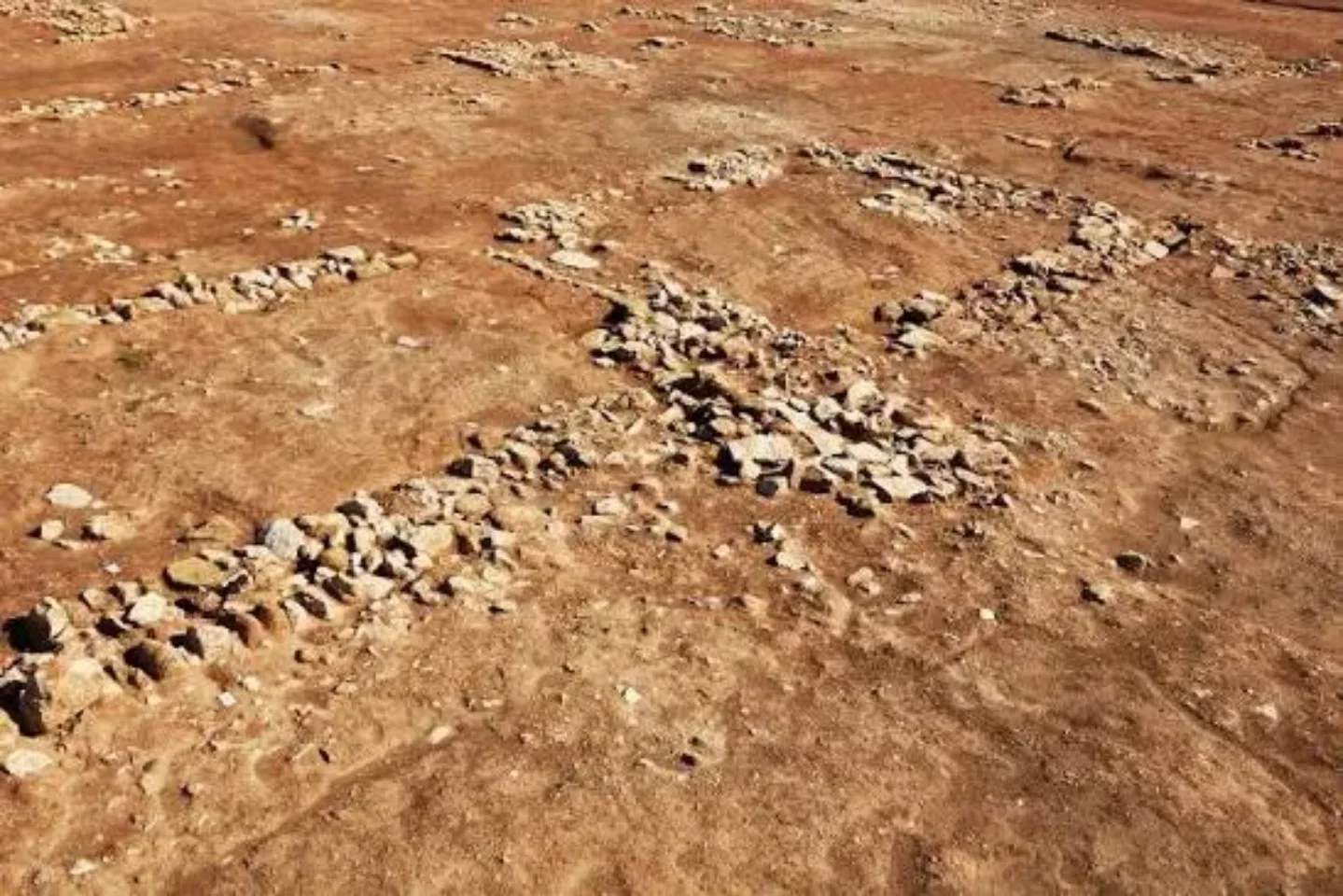
Archaeologists carefully remove the soil to reach the ancient layer. Armed with trowels and brushes, they uncover each structure—post holes, the floor of a hut, the base of an ancient wall—and record its geographical location.
The laboratory study:
This is the crucial phase. The artifacts and sediments collected undergo in-depth scientific analysis to shed light on the climate, diet, and craft techniques of the period.
How can you get involved and stay informed about the latest archaeological news?
For enthusiasts who are afraid of missing an important discovery or a significant event, several reliable resources are available. Museums in the region regularly organize lecture series led by researchers from INRAP or the SRA to present the results of the year’s excavations. The European Archaeology Days, held every summer, open the doors of active excavation sites to the general public, offering a unique opportunity to see archaeologists at work in the field.
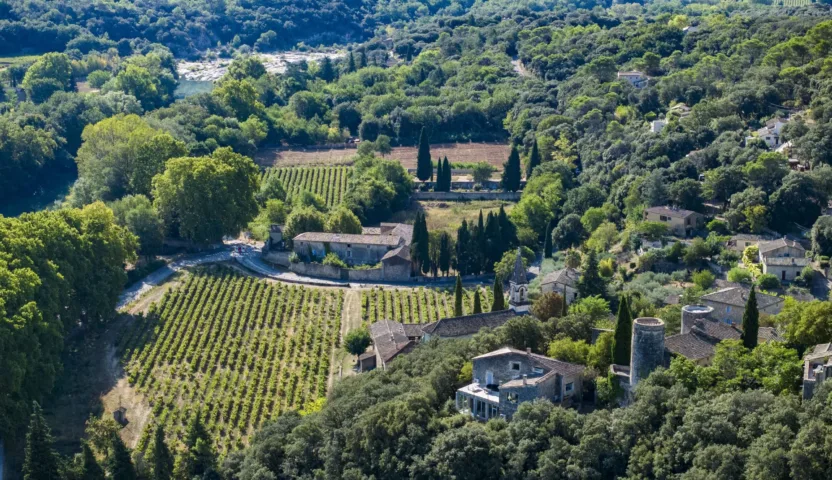
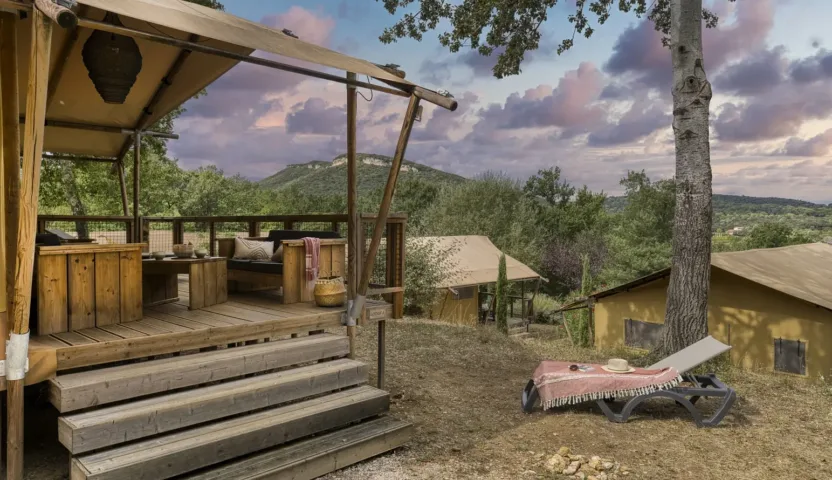
After a day filled with cultural discoveries amid ancient ruins and the history of the Gard region, returning to the peaceful, tree-lined setting of your accommodations at Slow Village Anduze is the perfect way to recharge, while staying connected to the laid-back lifestyle of this unique region.