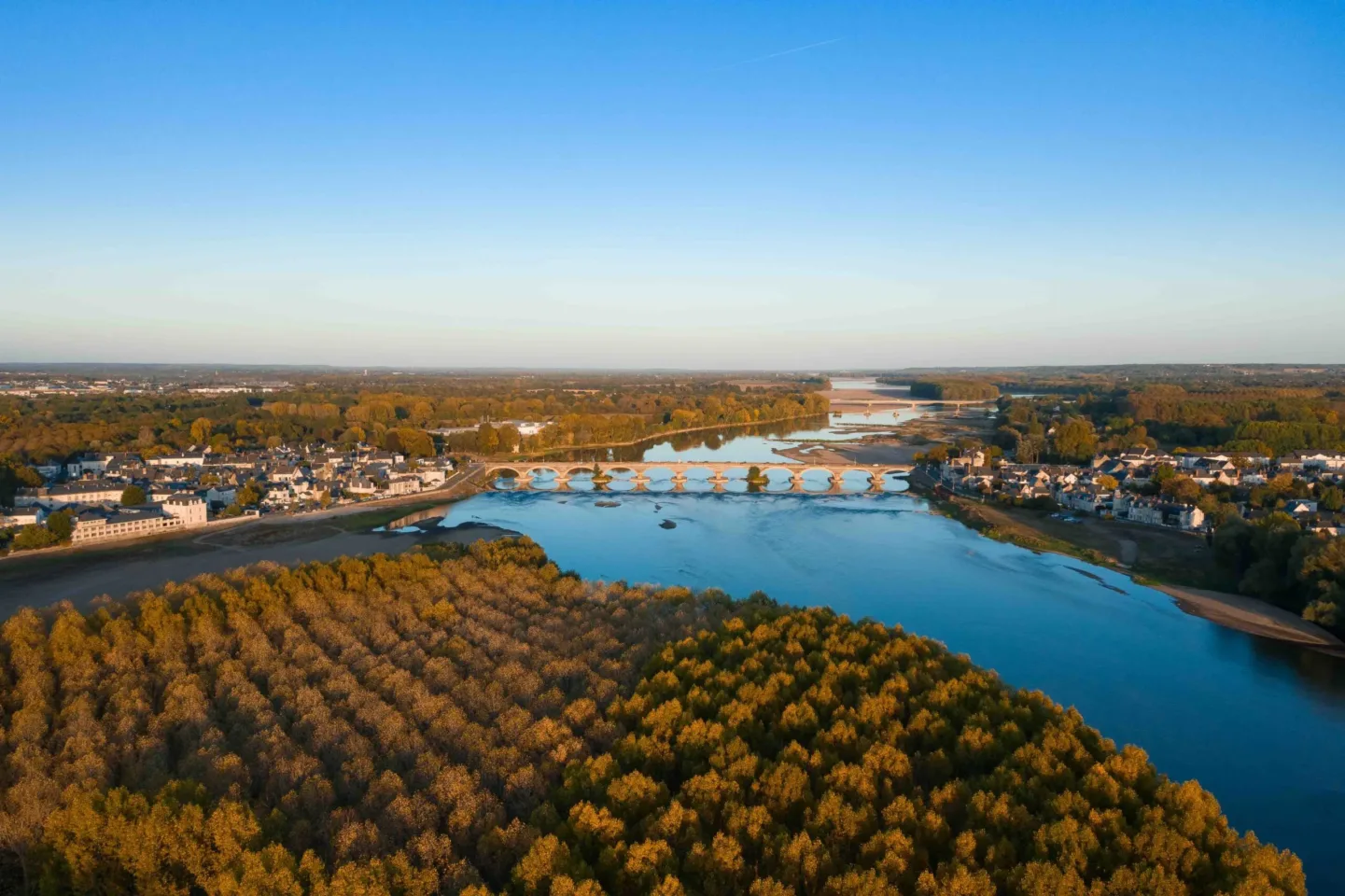
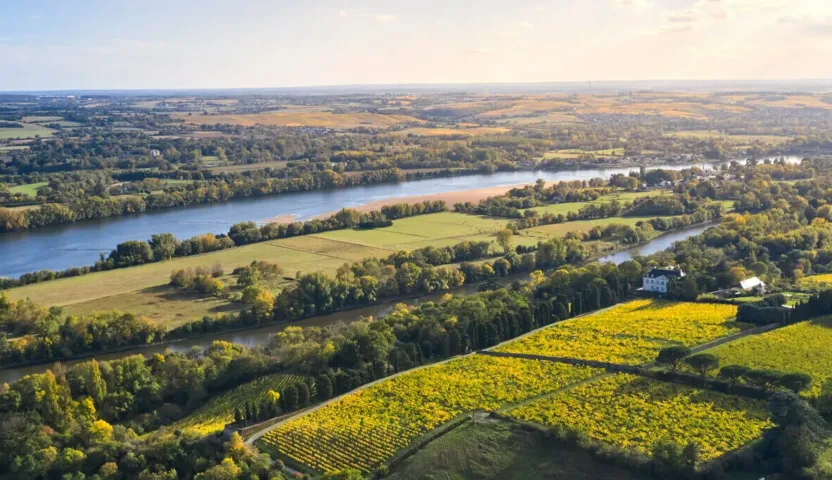
Embarking on the Loire Valley Castle Route means treating yourself to an exceptional journey through centuries of French history. Along this untamed river, a UNESCO World Heritage Site, the kings, queens, and artists of the Renaissance have left an architectural legacy unlike any other in the world. To make sure you don’t miss any of this extraordinary concentration of monuments, a good map is essential. It will help you gauge distances, plan your stops, and balance your days between the stone giants and the more intimate estates.
The Loire Valley and its castles
Most of the Loire Valley castles were built during the First and Second Hundred Years' Wars, along the banks of the Loire River or its tributaries.
They were later remodeled during the Renaissance, when they lost their defensive function. The Loire Valley thus boasts, between Orléans and Angers, an exceptional concentration of castles featuring rich and remarkable architecture. The castles known as “Loire castles” are spread across a 240-km-long stretch between the Château de Serrant in Saint-Georges-sur-Loire to the west and the Château de Sully-sur-Loire to the east, spanning various regions such as Touraine, the Central Loire Valley, Indre-et-Loire, Loire-Atlantique, and the Pays de la Loire region.
The northernmost of the Loire Valley castles is the Château du Lude, located 45 km from the river, halfway between Tours and Angers. The southernmost castle is the Château du Rivau in the town of Lémeré, 10 km from the Loire River between Tours and Saumur.
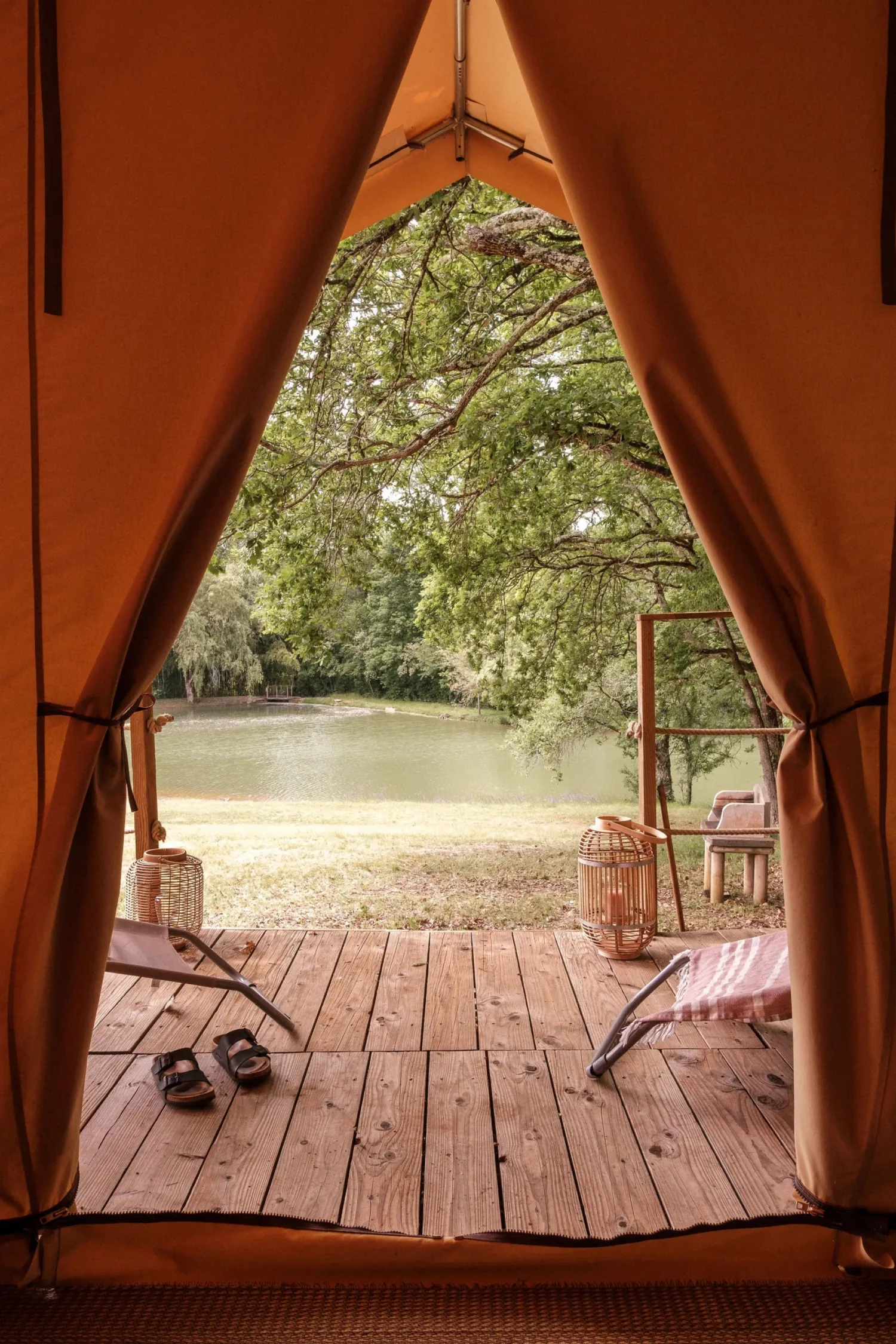
Getting ready to visit the Châteaux de la Loire? Stay at a campsite near the Châteaux de la Loire and visit the châteaux by bike!
Detailed map of the Châteaux de la Loire
The châteaux of the Loire Valley include some internationally renowned sites. Most of them are royal castles located around the city of Tours, the former capital of the French kingdom: Amboise, Chenonceau, Chambord and Blois are all Unesco World Heritage Sites.
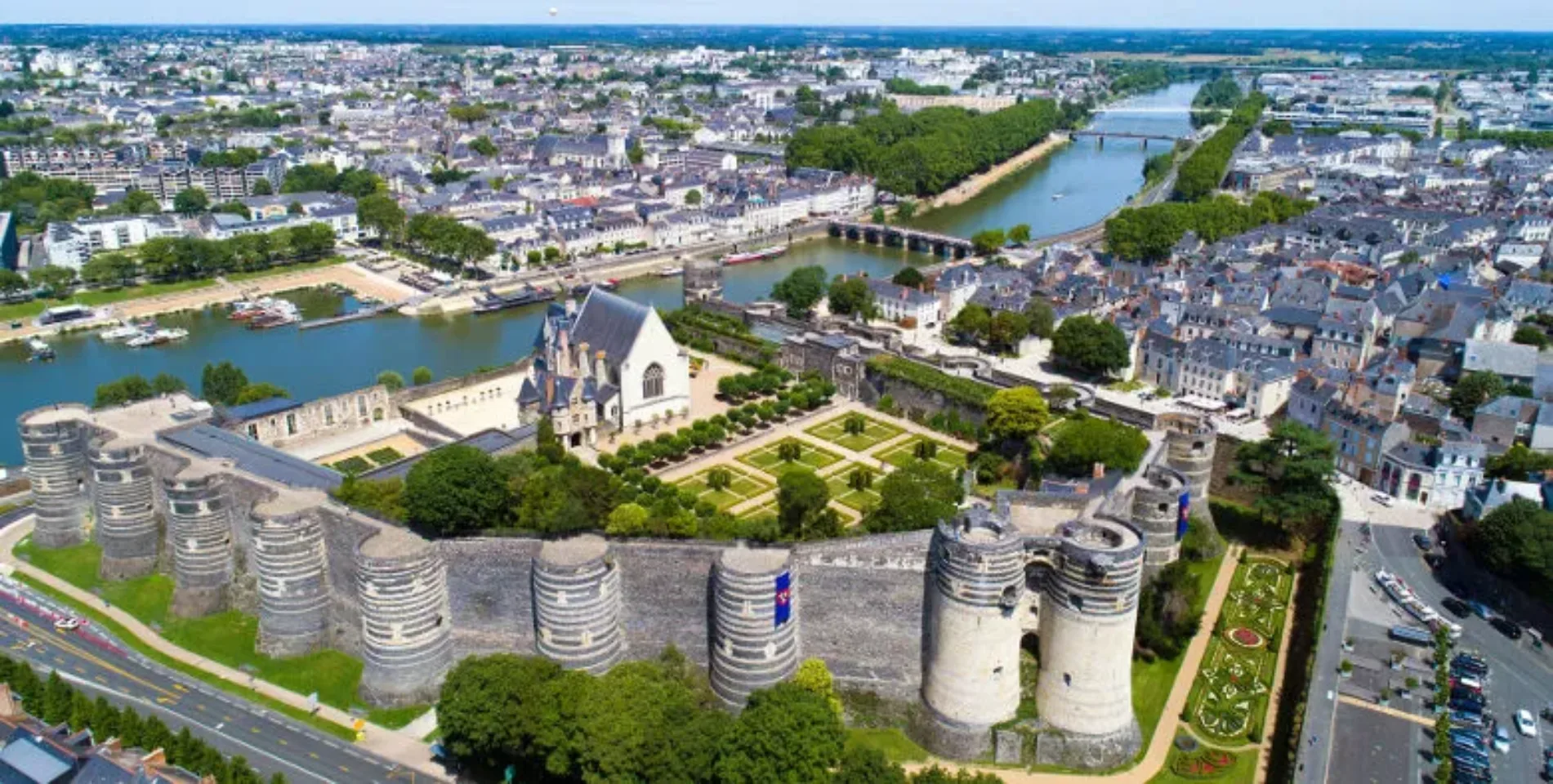
Other royal castles are scattered along the Loire west of Tours: the fortress of Chinon, the Château de Langeais with its working drawbridge, as well as the Château de Saumur and the Château d'Angers, both residences of King René d'Anjou.
The Great Masterpieces of the Renaissance You Can't Miss
Chambord and Chenonceau: Icons of the Loire Valley
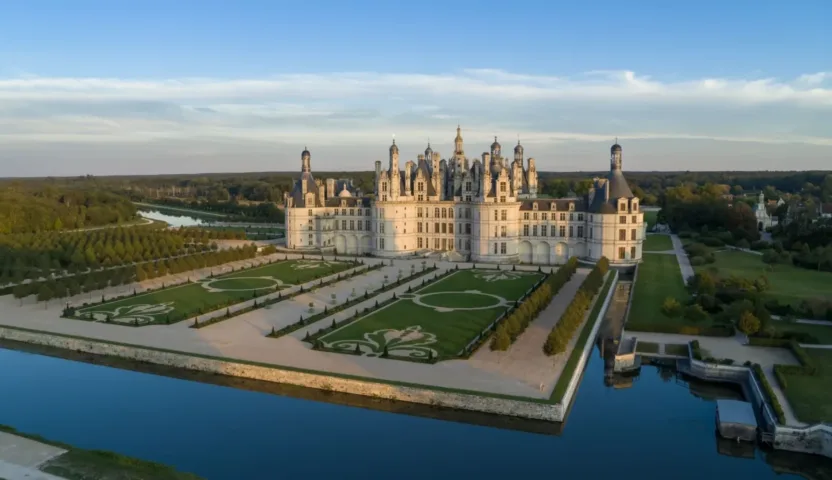
These two giants are must-see stops on any tour. Chambord impresses with its spectacular size, its architecture commissioned by Francis I, and its famous double-helix staircase attributed to Leonardo da Vinci. Further west, Chenonceau, the “Château des Dames,” captivates visitors with its unique elegance, its majestic arches spanning the Cher River, and its perfectly manicured gardens, which bear witness to the influence of Diane de Poitiers and Catherine de’ Medici.
Blois, Amboise, and Azay-le-Rideau: At the Heart of Royal Life
As you continue your journey along the map, stop in Blois, a true showcase of French architecture with its four wings dating from different eras. In Amboise, you’ll look out over the river from the ramparts and can extend your visit to the Clos Lucé, Leonardo da Vinci’s final resting place. Finally, don’t miss the gem of Azay-le-Rideau, a château perched on an island in the Indre River, whose carved stone facades are poetically reflected in the water.