How do you choose a horseback riding center in the Dordogne?
Three criteria are most important: qualified instructors, horses in good condition, and clear information about the required skill level. Here’s what you should check before reserving your spot.
Coverage to Check
Membership in the FFE guarantees insurance coverage and a regulatory framework. For trail rides, equestrian tourism certifications and “Cheval Étape” stops are good indicators. Ask who will be leading the ride: an equestrian tourism guide (ATE) or a certified instructor knows the terrain and knows how to respond in case of a problem.
Horses and Group Size
If possible, go see the horses before you set out. Horses that live in the pasture, are in good condition, and are properly shod for rocky terrain are a good sign. With more than eight riders, the guide has a hard time keeping up with everyone: a small group is safer.
Reviews and What's Included
Focus on recent reviews that discuss safety, horse assignments, and meal quality, rather than the overall rating. Also check what’s included in the price: lodging, lunch, luggage transport, and helmet rental. A low price may hide several additional charges.
A few resources to help you get started with your research
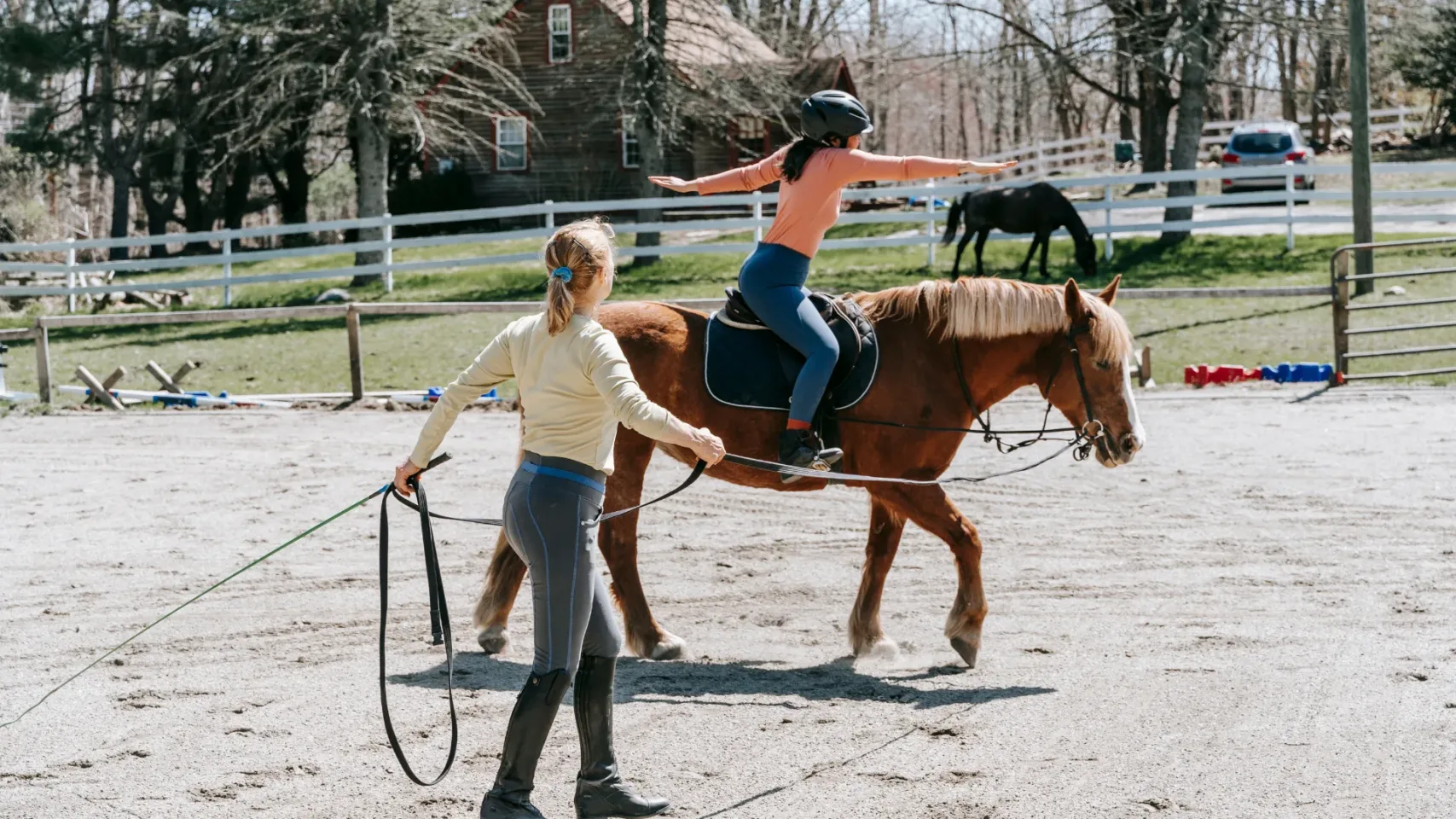
In Castelnaud-la-Chapelle, La Vallée des Châteaux à cheval offers 1- to 8-day trail rides, riding courses, and overnight accommodations. In Belvès, Au Bos Cheval Rouge, certified by Cheval Étape, organizes rides and treks and rents ponies. In Alles-sur-Dordogne, the equestrian farm La Haute Yerle offers rides by the hour and treks lasting 2 to 6 days. On the Vézère side, the Sardin equestrian farm in Rouffignac-Saint-Cernin features a stopover lodge and organizes treks year-round. For children, the Arc en Ciel Pony Club in Campagne offers lessons and rides suitable for even the youngest riders.
This list is not exhaustive. Call ahead to confirm availability, rates, and the required skill level, and ask how horses are assigned to riders: the answer will tell you a lot about the center’s professionalism.
What are some tips for a successful horseback ride in the Dordogne?
The season, the pace of the stages, and the equipment are just as important as the choice of route.
Choosing the Right Season and Time of Day
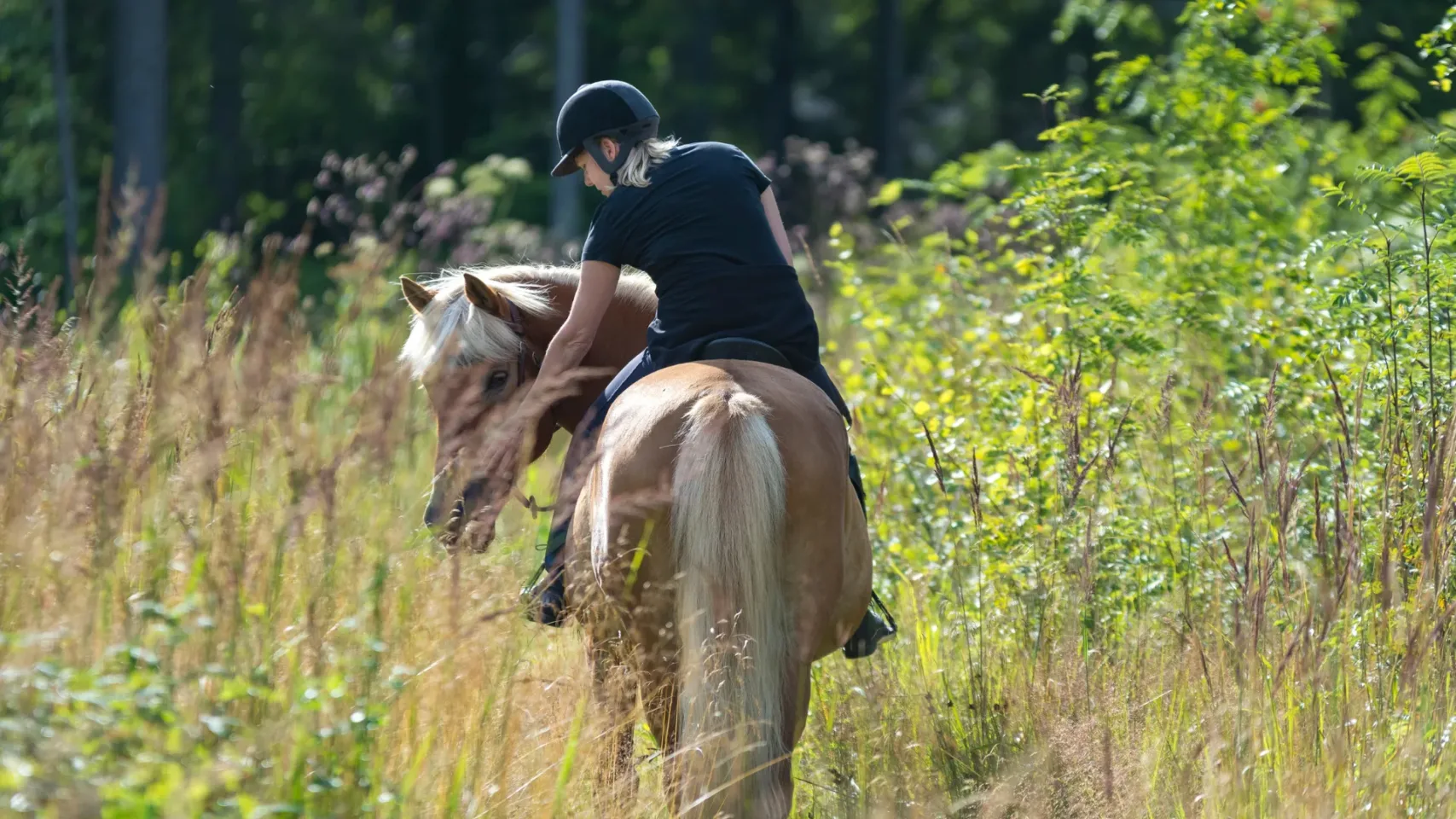
Spring and early fall are the best times to go: the trails are dry, temperatures are moderate, and there are fewer insects. In the summer, set out around 8 a.m., take a long break in the shade at noon, and set out again after 4 p.m.—for both you and the horses.
After it rains, the descents on limestone become slippery. Dismount and walk alongside your horse on these sections.
Set a Pace for Your Steps
For an amateur rider, plan on 20 to 25 km per day, or four to five hours in the saddle, including breaks. Take a short break every hour to check the girths and the horses’ hooves. Locate water sources before each day’s ride; some streams run dry in August. On a long trek, plan for one rest day every five stages.
Preparing Your Equipment
Be sure to bring a helmet, boots with heels, mini chaps, a waterproof jacket, a water bottle, and a first-aid kit. Download the GPS track for your route: the trail markers are reliable, but taking a wrong turn in the forest could set you back an hour.
Respect the premises
Ride through the villages at a walk, close the gates behind you, and stay on the marked trails. Part of the route passes through private property where horses are merely tolerated.
How to Take Great Photos
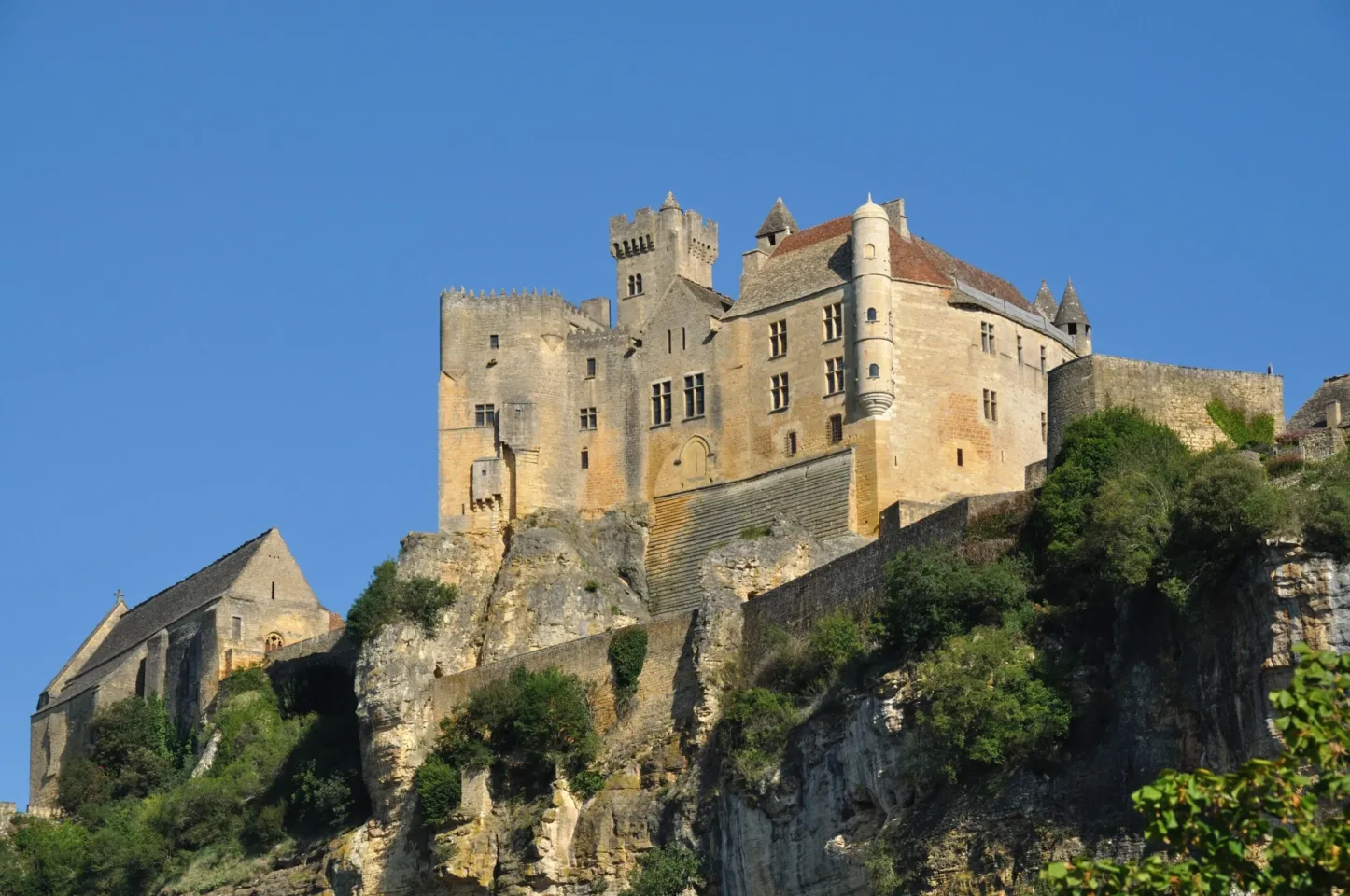
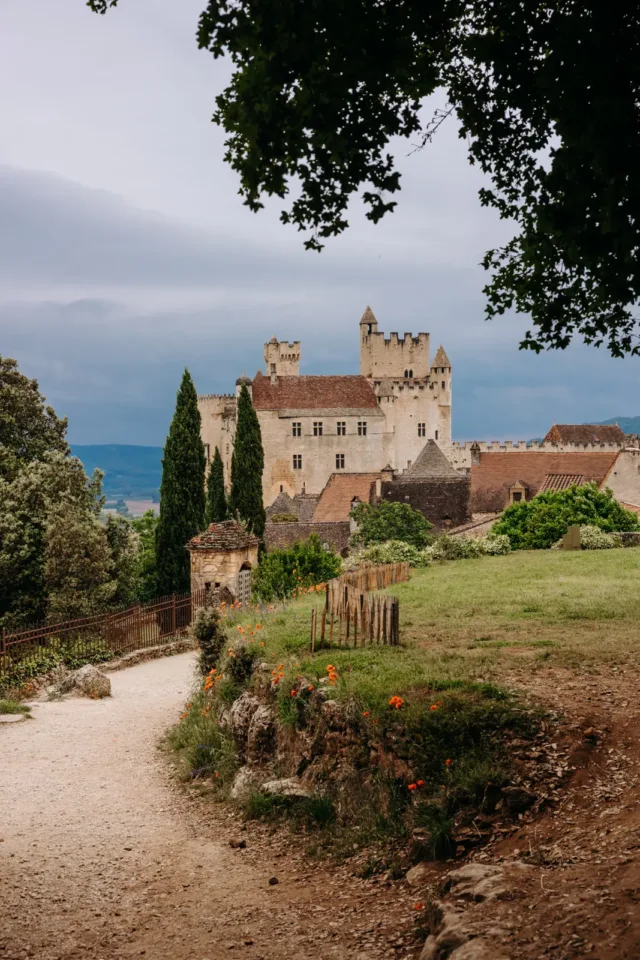
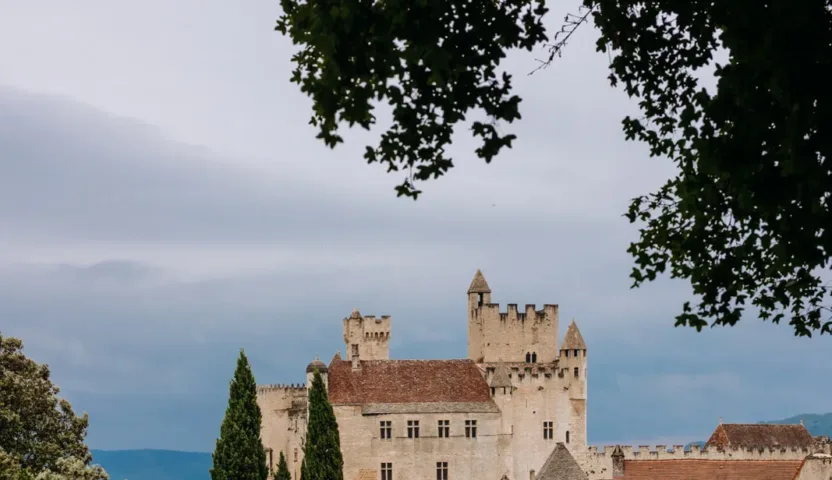
To take photos of Beynac or Castelnaud, late afternoon offers the best light. In the Vézère Valley, the morning mist over the river makes for beautiful photos. Stop your horse before you take out your phone, and keep a firm grip on the reins.