Belle-Île-en-Mer

In the Footsteps of Claude Monet on Belle-Île-en-Mer: The Complete Guide to the Itinerary and Paintings

Written by Hugo
Sept. 17, 2026
In the Footsteps of Claude Monet on Belle-Île-en-Mer: The Complete Guide to the Itinerary and Paintings
Destinations
Choose your next getaway

A 9-km hike along the wild coast to see exactly what Monet painted in 1886. 

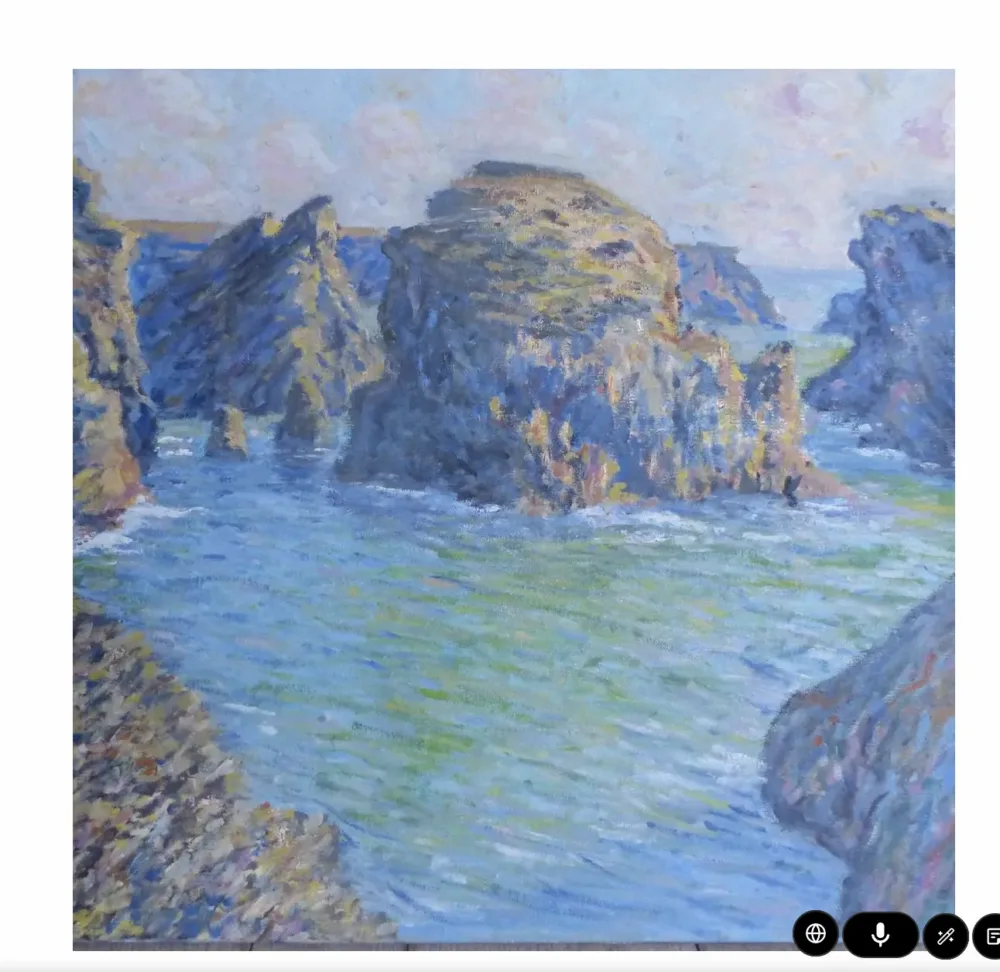
In September 1886, Claude Monet arrived on Belle-Île-en-Mer for fifteen days. He would stay for 74 days, produce 39 paintings, and leave with one of the most significant series of his career. What few people know is that today you can walk exactly where he set up his easel, compare his paintings with the actual landscape thanks to the display panels installed along the trail, and understand why he could no longer bring himself to leave.

When you stay at Slow Village Belle-Île-en-Mer, you’ll be in the perfect spot to follow in his footsteps and take in the very places he captured in his work.

Why did Claude Monet choose to paint in Belle-Île-en-Mer?

In 1886, Monet felt the need to immerse himself in a wilder natural setting than the one he usually painted. On the advice of art critic Octave Mirbeau, he arrived at the Port du Palais in September, with no specific plan. He settled at the Auberge Marec, in the hamlet of Kervilahouen near Bangor, and discovered a coastline he hadn’t anticipated.

He wrote to his partner Alice: “I am in a magnificent land of wild beauty, a formidable jumble of rocks and a sea of unbelievable colors. ” What was supposed to be a brief stopover became one of the most memorable experiences of his life as an Impressionist painter, and the starting point for his serial approach, which would later give rise to *The Haystacks*, *Rouen Cathedral*, and *Water Lilies*.

Poly, the man without whom these paintings would never have existed

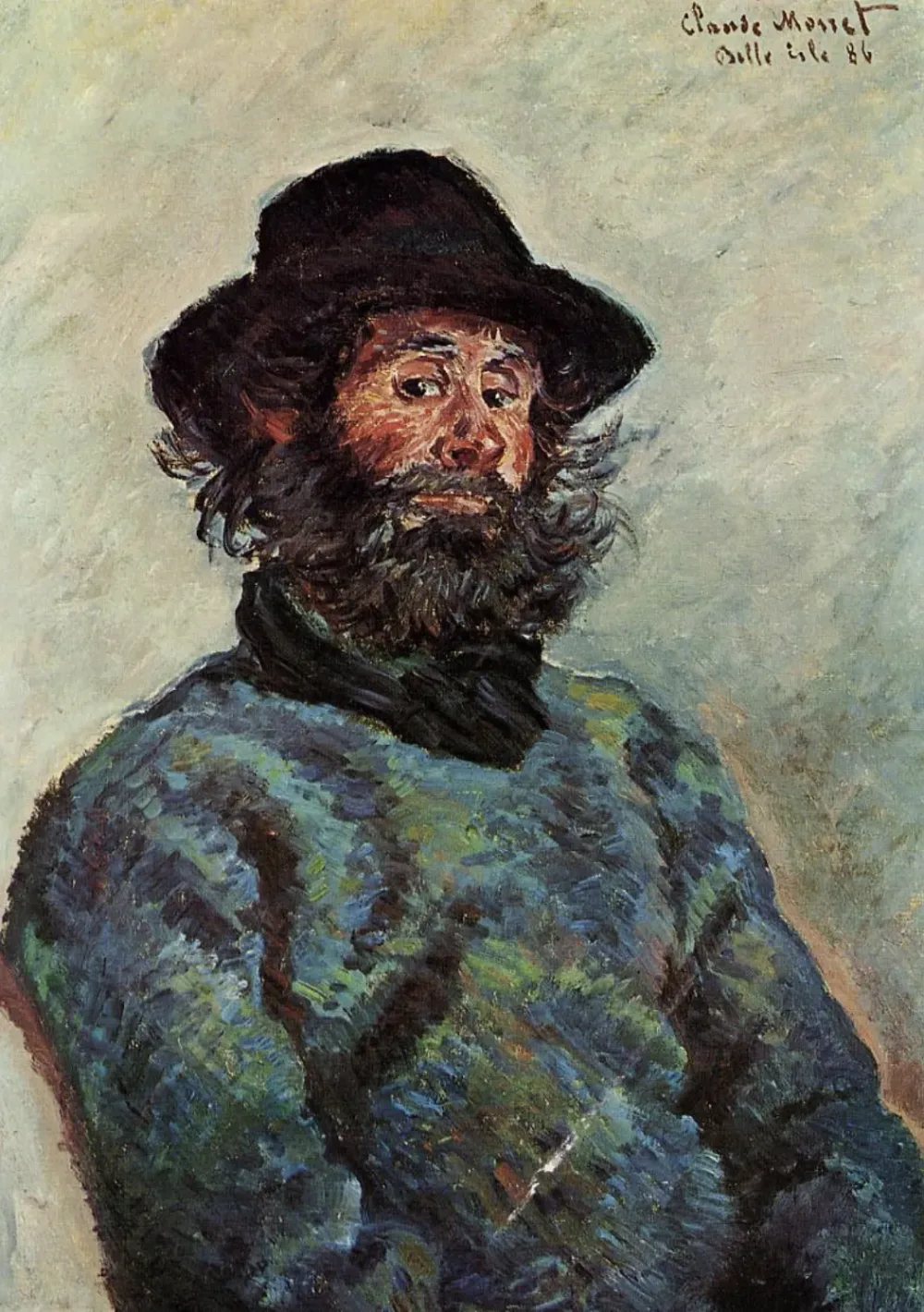
To transport his easels and palettes along the steep trails of the wild coast, Monet hired Hippolyte Guillaume—known as“Poly”—a former local sailor. As they walked together daily along the very same trails you’ll be taking, a genuine friendship developed between the two men. Monet even painted his portrait. Without Poly, half of those 39 paintings would likely never have seen the light of day.

The tour: 9 km in the footsteps of Monet

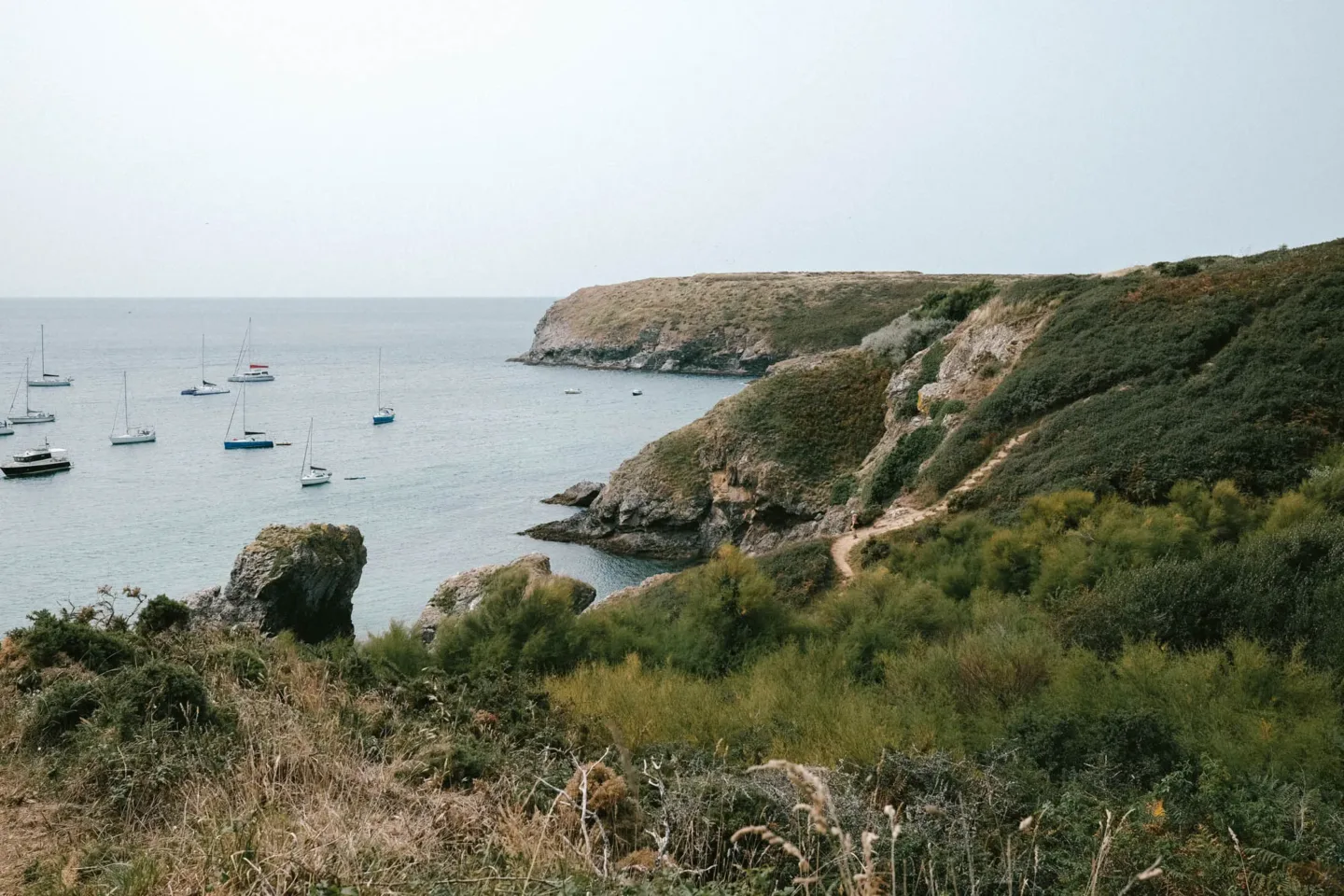
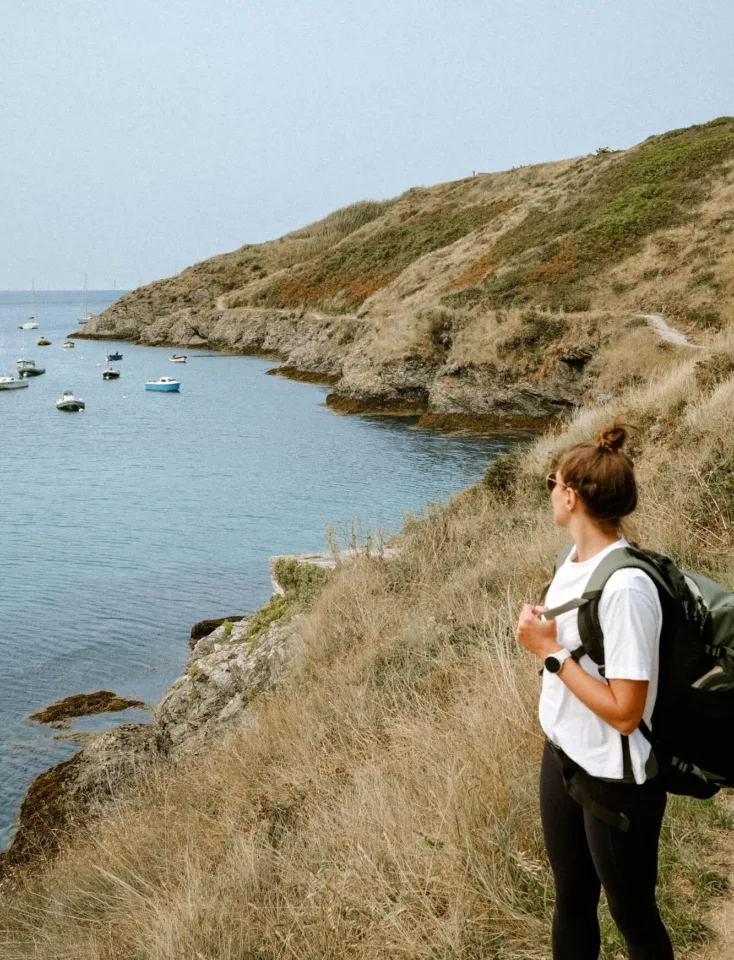
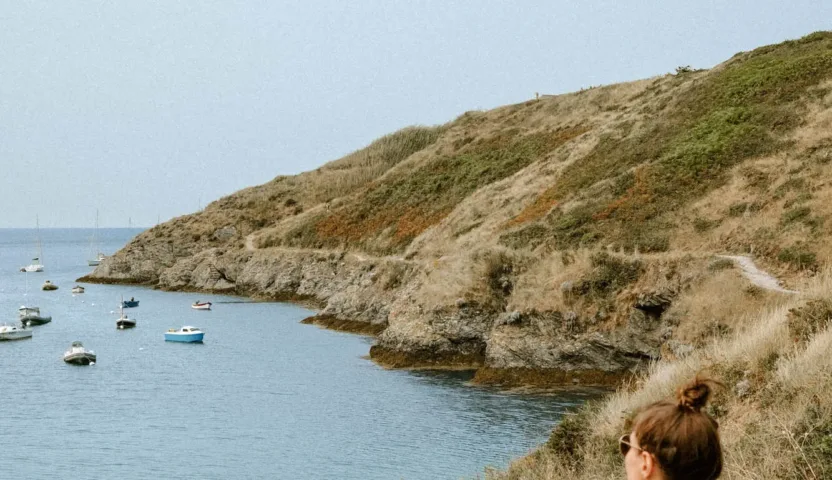
The Belle-Île-en-Mer Tourist Office offers an official hiking trail that follows the rugged coastline and connects the exact locations painted by the artist. The route follows a section of the customs officers’ trail (GR340), which is well-marked but features a few short elevation changes and steps carved into the rock near the calanques. Be sure to wear sturdy hiking shoes, bring a windbreaker, and perhaps even a book of reproductions of Monet’s paintings so you can compare them for yourself on site.

Step 1 — The Port-Coton Needles

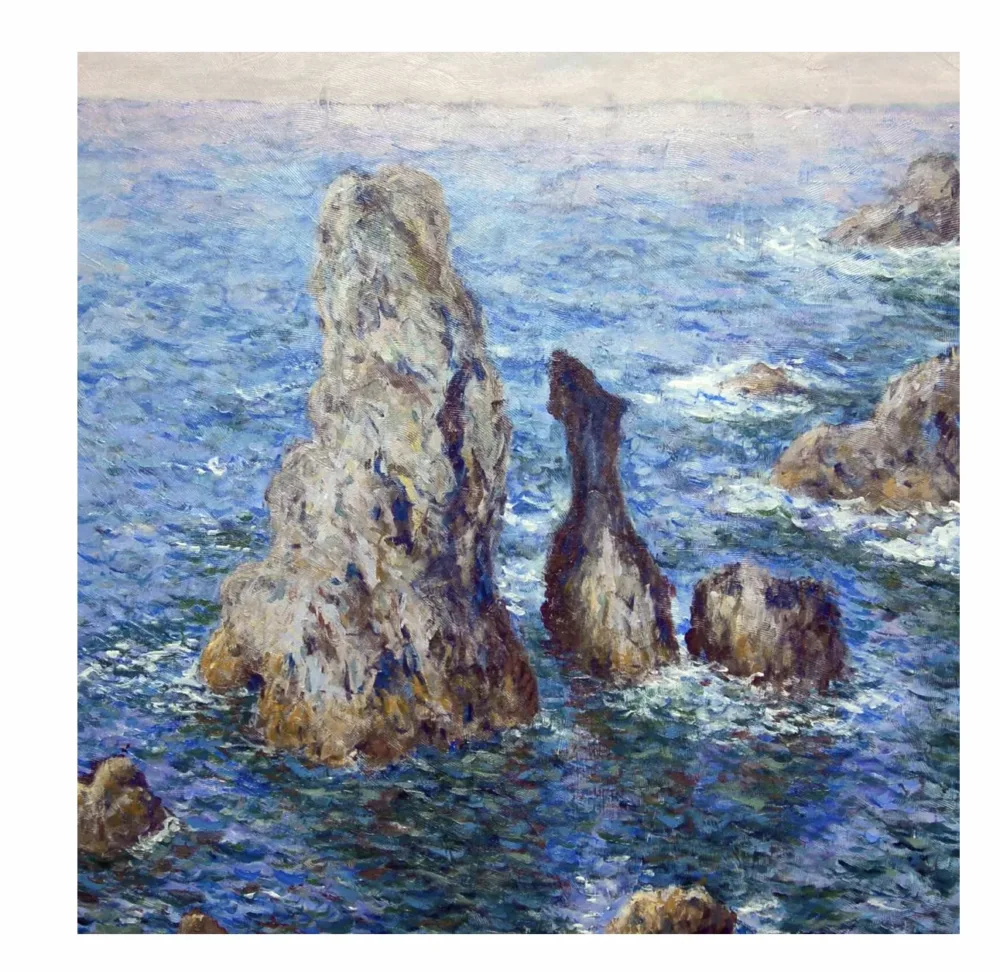
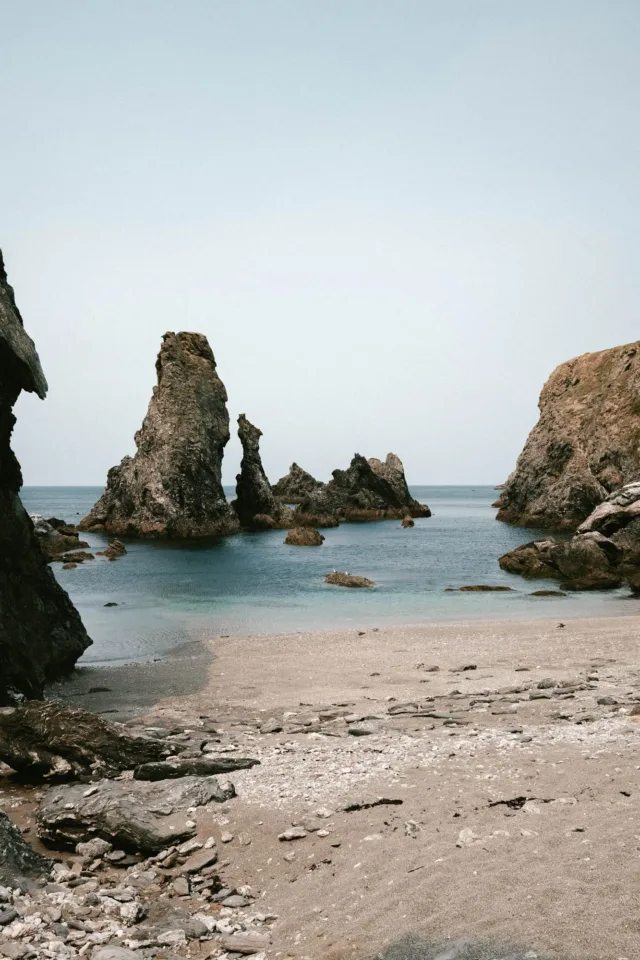
Related painting: The Pyramids of Port-Coton

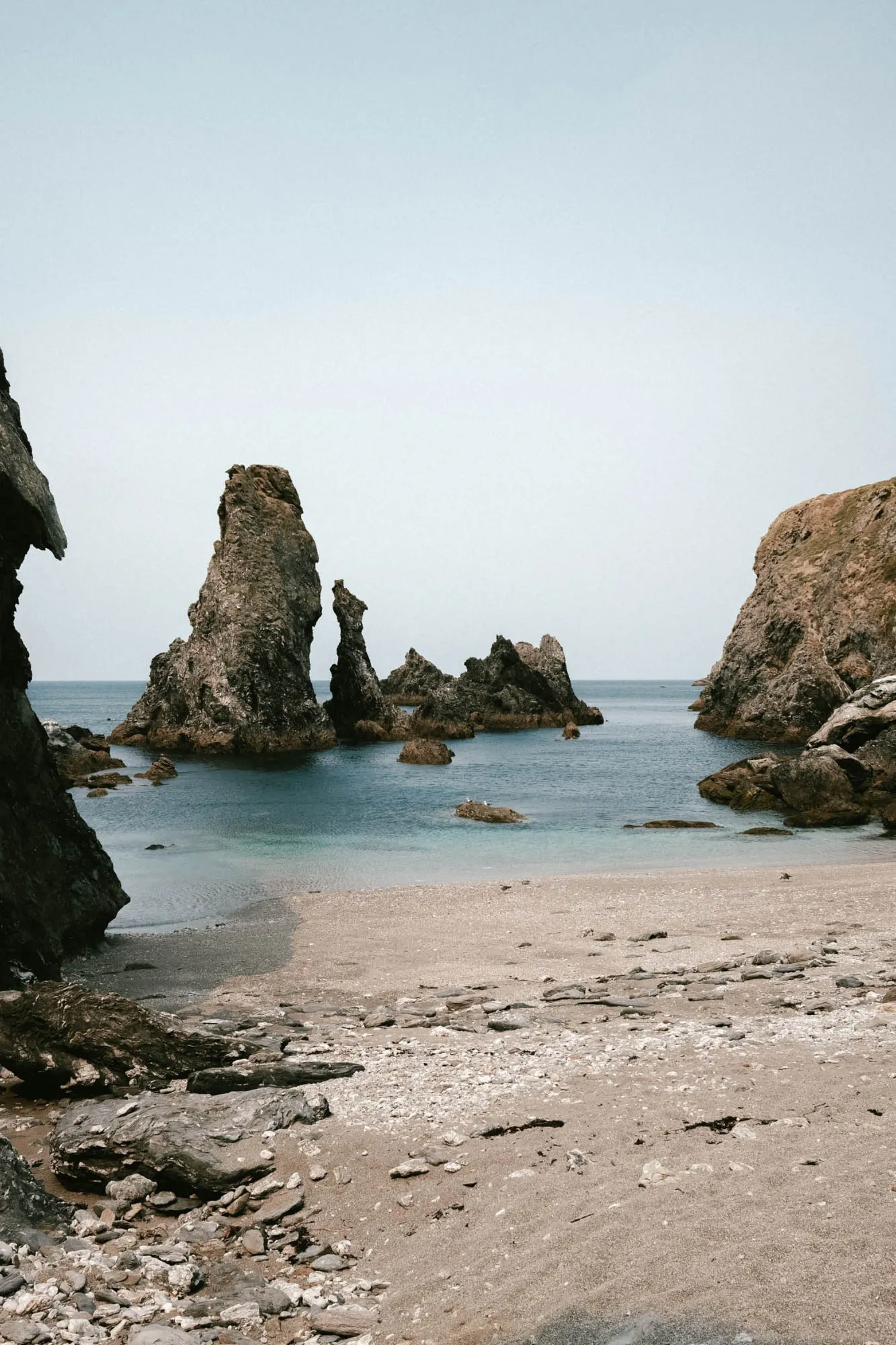
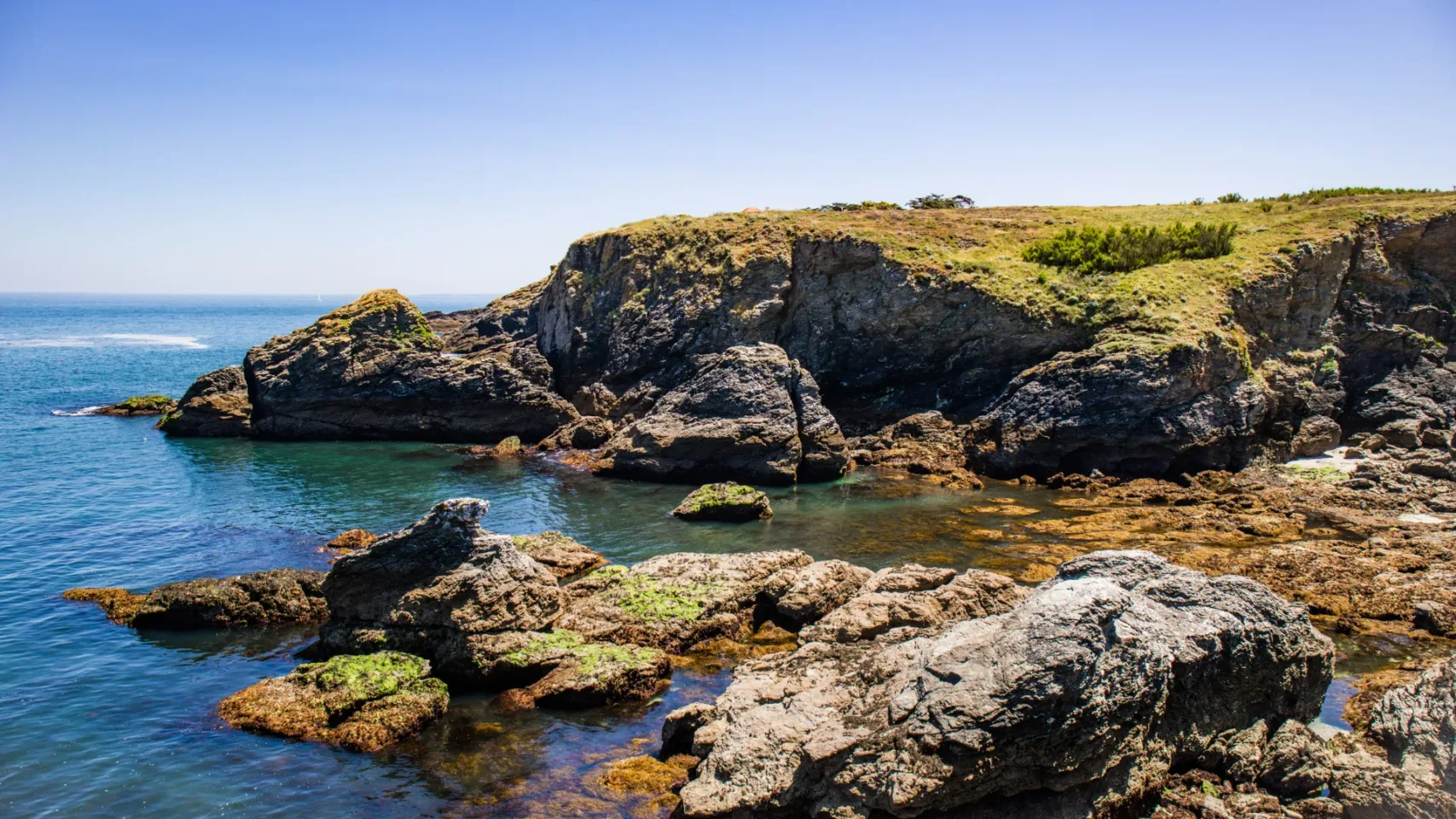
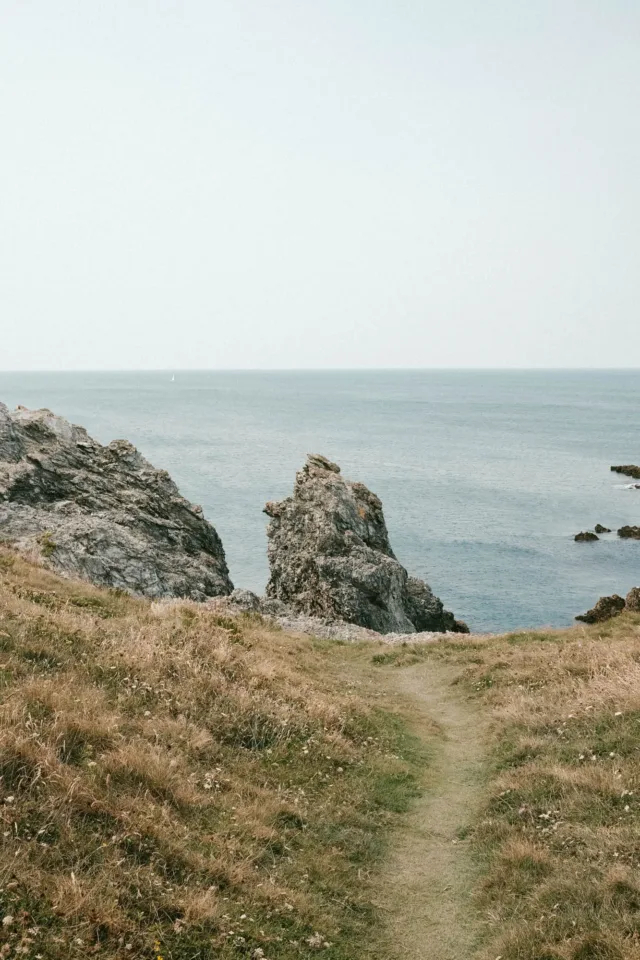
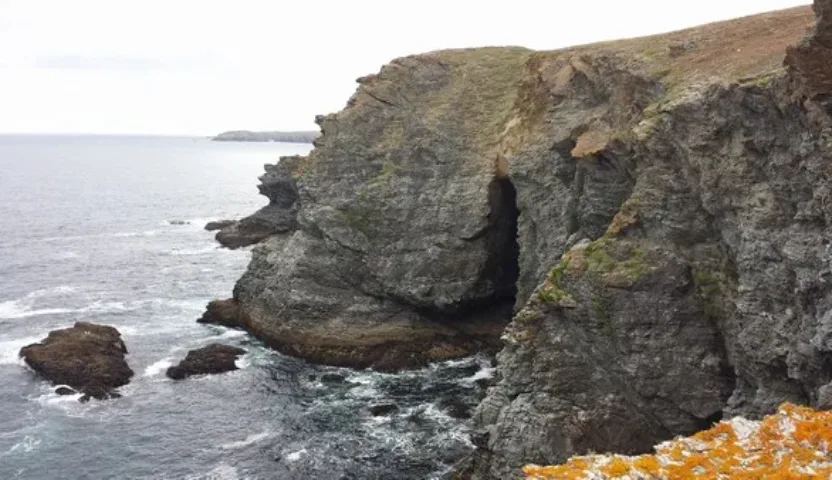
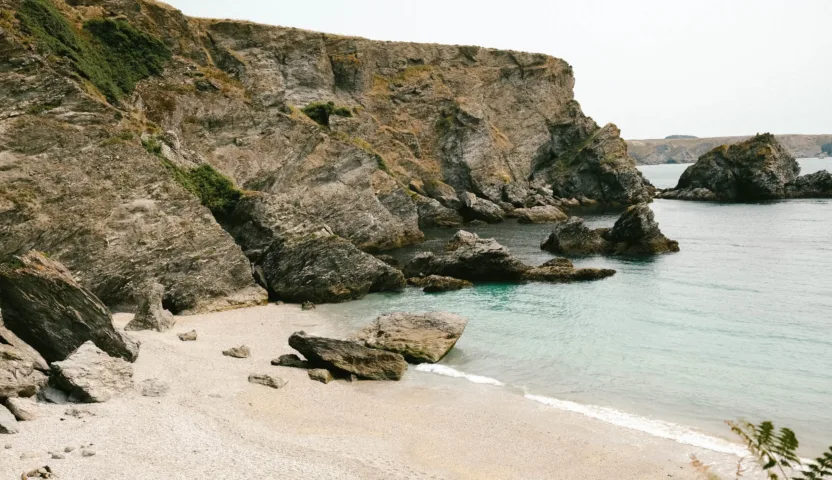
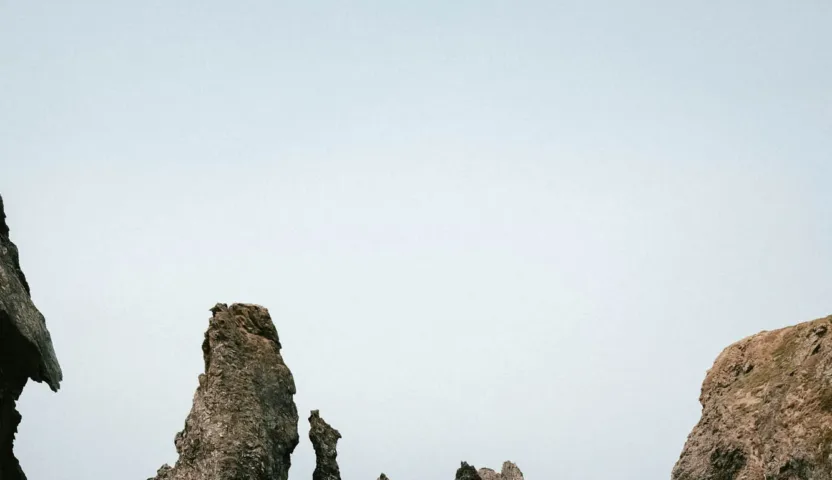
Jagged rock formations rising from the waves like giant pyramids. This is the most iconic site from Monet’s stay—the one he painted from every angle and in all kinds of weather. Arrive in the late afternoon: the low, slanting light of the setting sun brings out the ochre and golden hues of the rock, perfectly mirroring the warm color palette used by the painter. On stormy days, the spectacle is particularly striking.

Step 2 — Port-Goulphar

Related painting: Port-Goulphar, Impression of the Sun

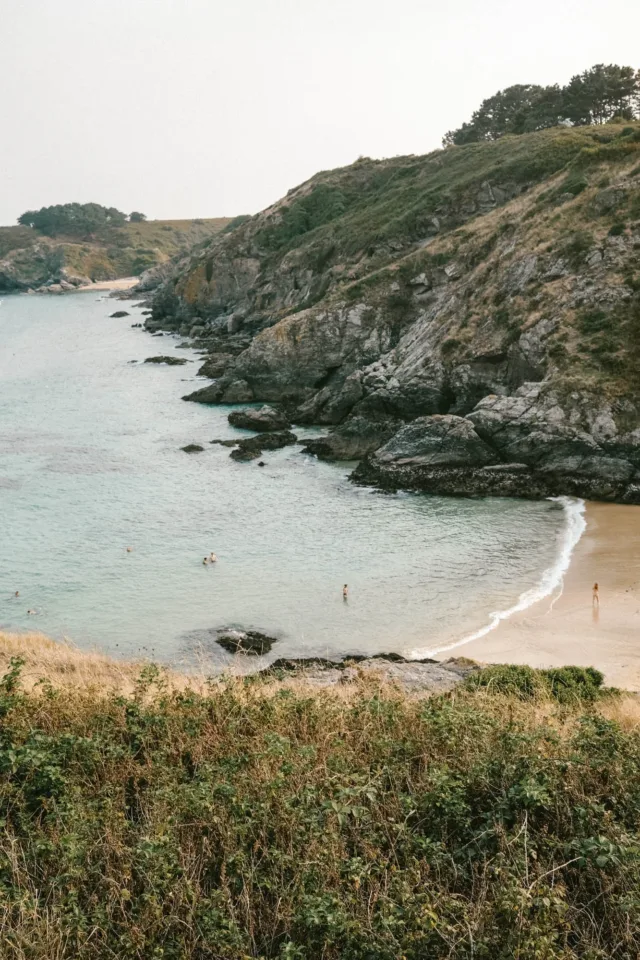
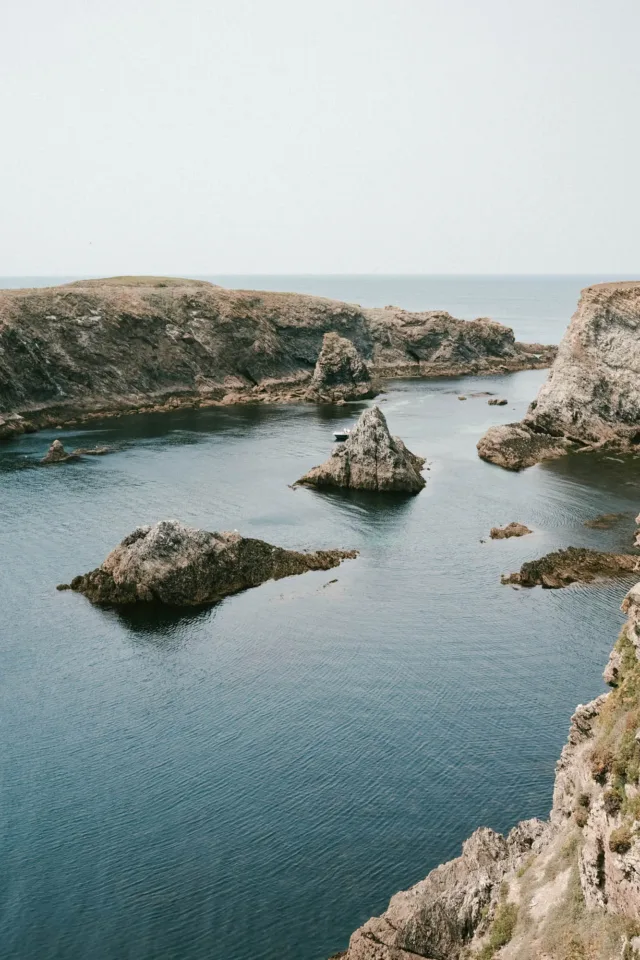
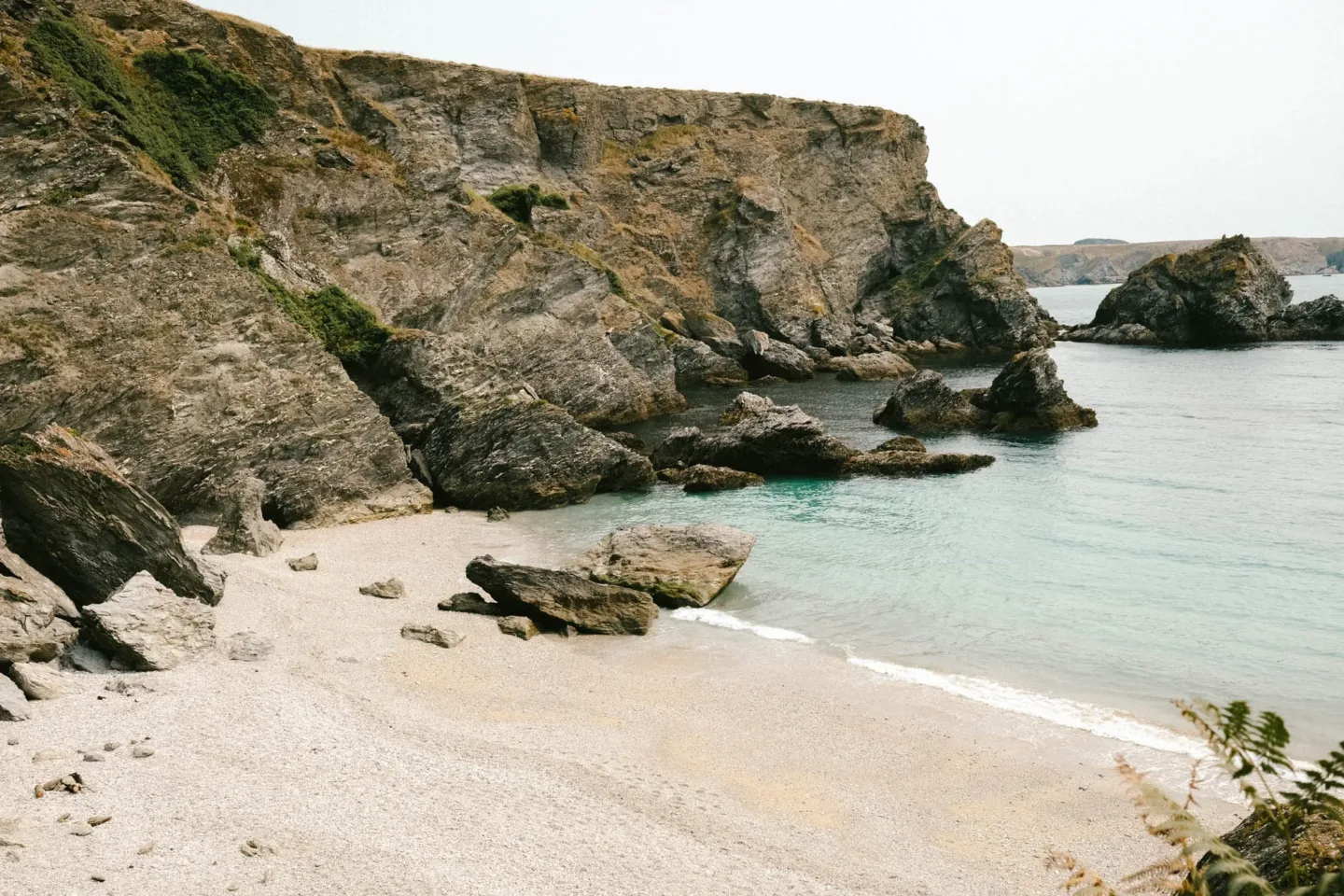
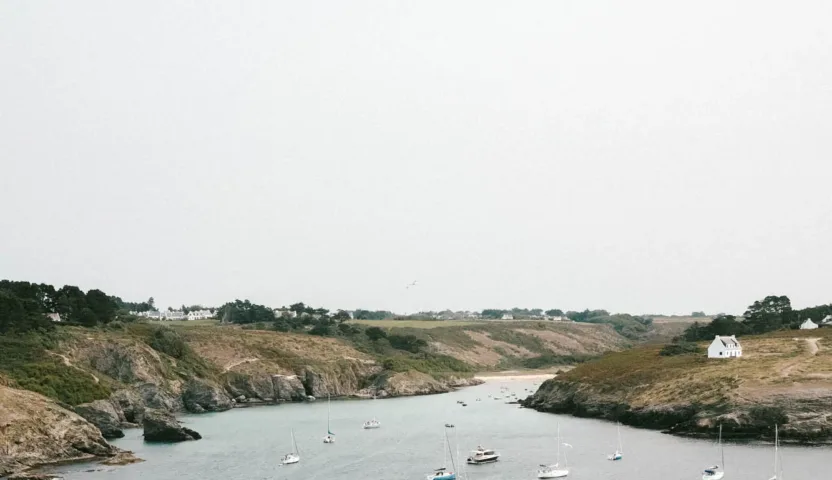
A narrow, sheltered cove where the water takes on shades of emerald and turquoise. Here, Monet explored the contrast between the mirror-like surface of the water and the rugged cliffs. Observe the site at high tide: it is at this precise moment that the contrast is most striking and closest to what the painter sought to capture.

Step 3 — The Lion's Rock, Port-Domois

Related painting: The Lion Rock, Belle-Île

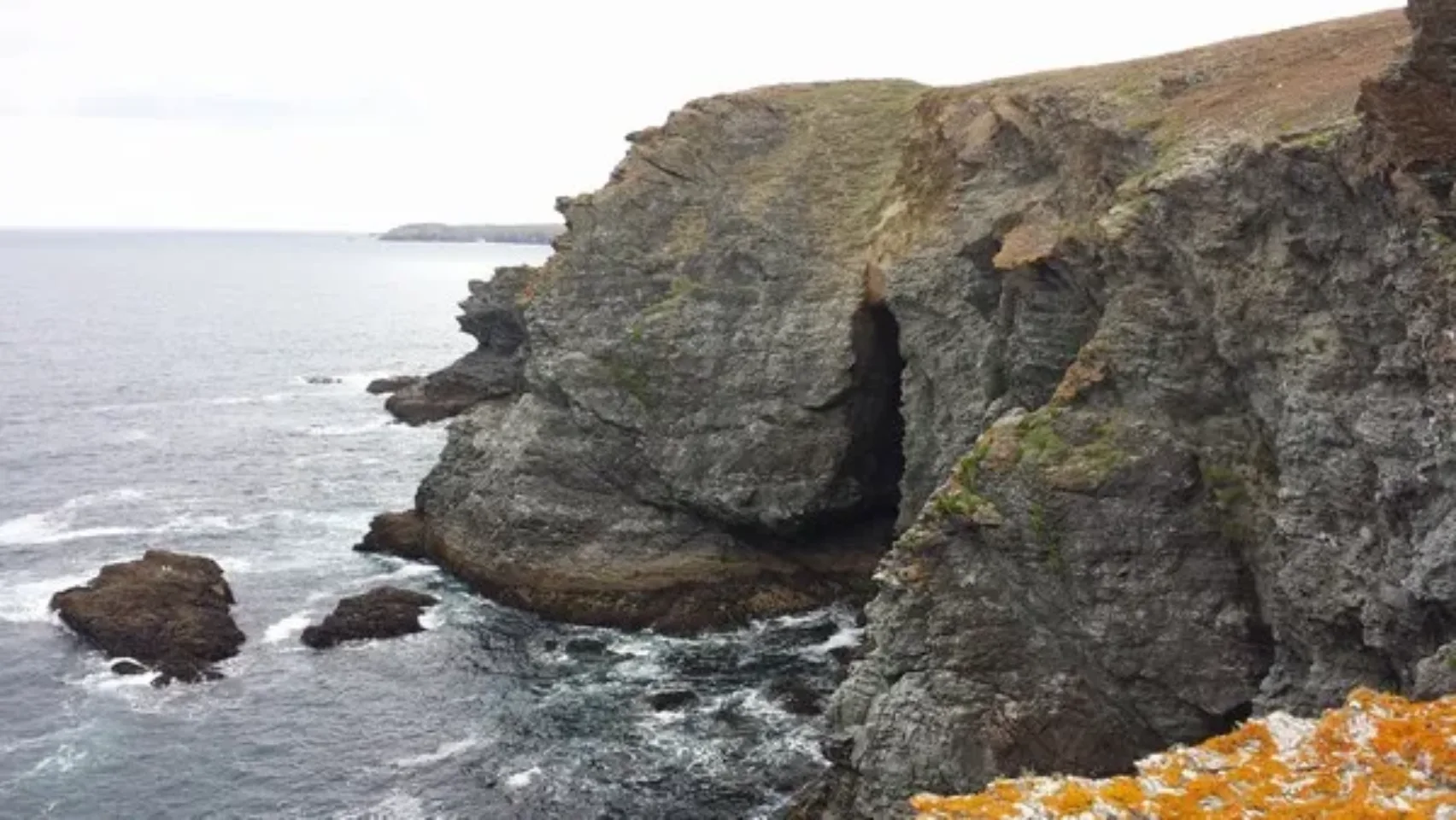
A rocky outcrop whose silhouette resembles a feline lying with its face toward the sea. Monet painted several works of it from different angles to capture the full force of the storm and the wind. Observe the formation on a day when the wind is blowing from the west to see the white foam forming at the base of the promontory—the exact motif the artist repeatedly depicted in his paintings.

Step 4 — The hamlet of Kervilahouen and the Marec Inn

The natural starting and ending point of the trail. This is where Monet lived, ate, and met up with Poly every morning before setting out on the trails. The well-preserved facades of the traditional houses and the commemorative plaque marking the site of the former inn add an extra dimension to the walk.


Understanding Monet's Method: Three Perspectives for Viewing These Landscapes in a New Light


’s Series of Paintings When you’re there, observe how the same rock can change completely in just thirty minutes. Monet would paint up to five or six canvases simultaneously in a single day to capture the sun’s path and the movement of the clouds. It was on Belle-Île that he truly developed this approach.

The Absence of a Horizon Line
In many of the paintings created on the island, the framing is very high, almost eliminating the sky to draw the viewer’s gaze directly into the churning water and the mineral texture. This technique was inspired by the Japanese prints he admired.

The Power of Color
Unlike the academic painters of the time, who used browns and blacks, Monet used purples, cobalt blues, and dark reds to convey the shadows and the strength of the relief. Keep that in mind as you look at the rocks—you’ll see these colors in a whole new light.

Stay in the heart of Monet's landscapes with Slow Village Belle-Île-en-Mer

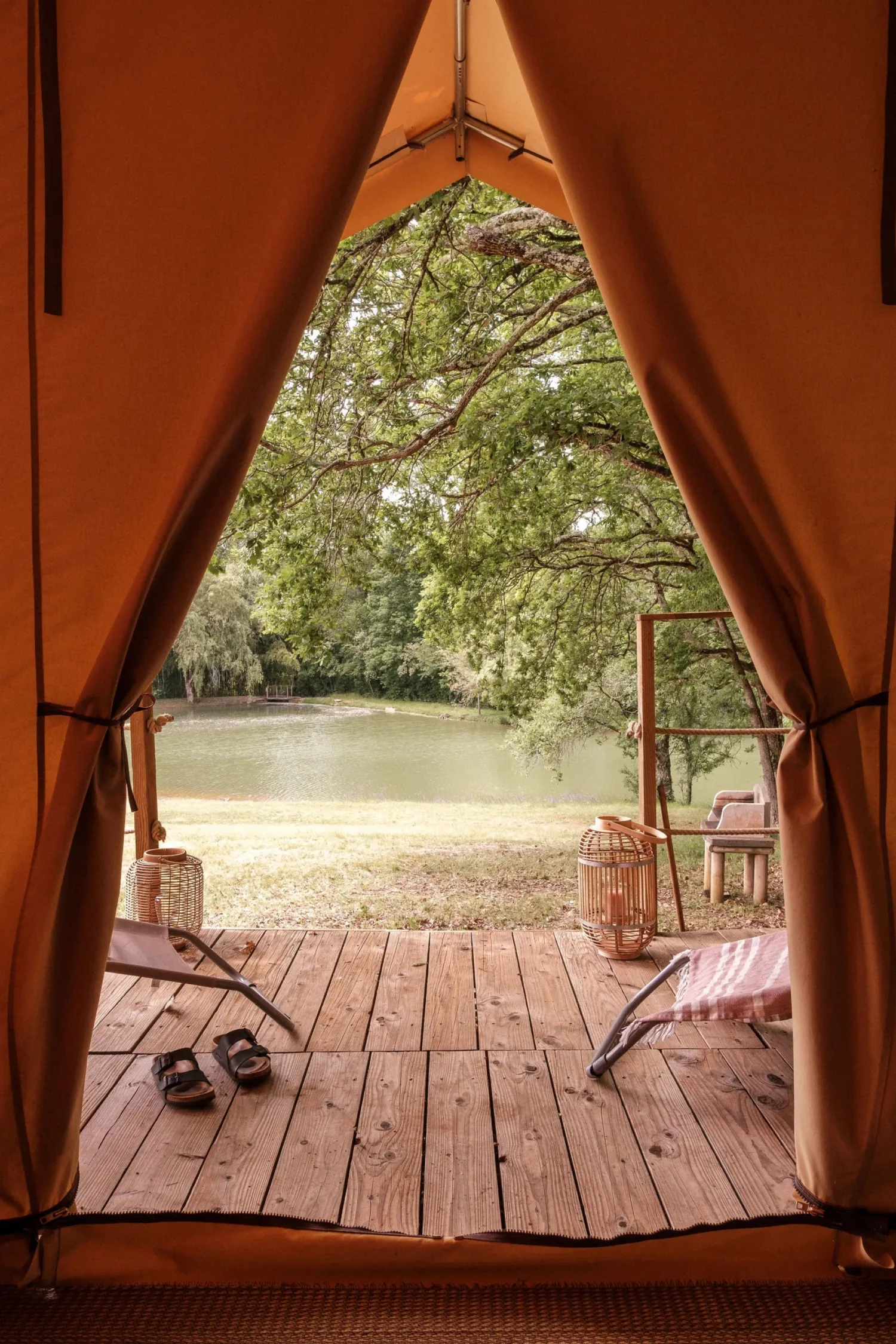
To extend this immersive experience, Slow Village Belle-Île-en-Mer welcomes you with a location that’s ideally situated for exploring all the spots along the route. After a day on the wild coast, rediscover the serenity of a nature retreat, listen to the sound of the wind in the pine trees, and let yourself be enveloped by the same light that captivated one of history’s greatest painters.

For hikers who want to go further, Slow Village also offers a hiking package designed to help you explore Belle-Île on foot. And if you set out to hike around the island, our van shuttle can pick you up along the way and bring you back to the village at the end of the day—a convenient option for fully enjoying the wild coastline without worrying about the return trip.


Planning to continue your adventure on Belle-Île? Here's everything you need to know before you go.

Belle-Île-en-Mer

Explore Belle-Île’s wild coastline: hikes and rugged landscapes

Facing the open sea, Belle-Île’s rugged coastline reveals raw landscapes of rare power. From the cliffs of Port Coton, immortalized by Monet, to the steep trails of the GR340, discover our tips for fully immersing yourself in Brittany’s natural beauty during your stay at Slow Village.

Hugo
Belle-Île-en-Mer

Visiting Pointe des Poulains on Belle-Île-en-Mer: Guide and Tips

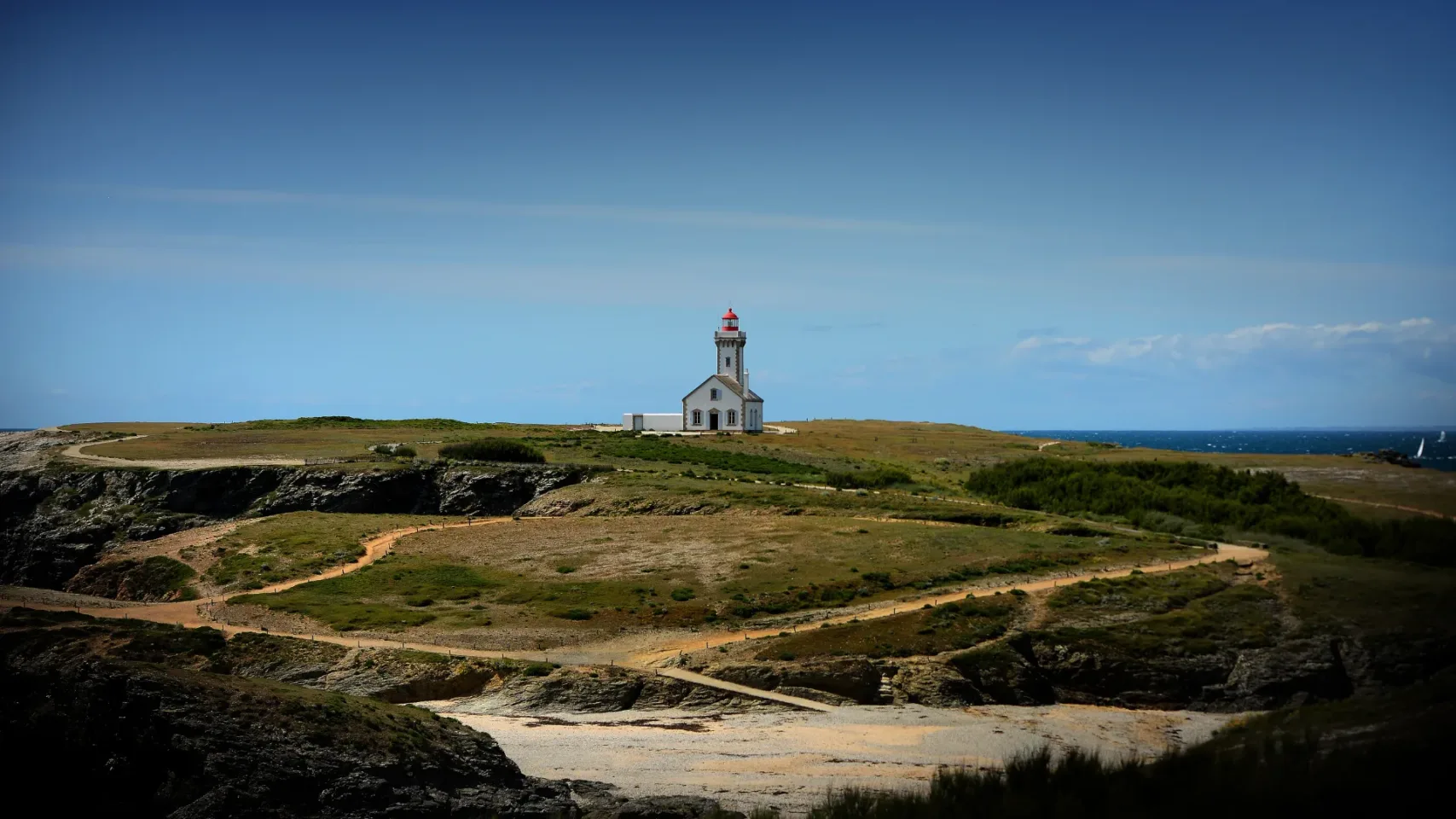
Head to one of Brittany’s wildest and most majestic sites! At the northern tip of Belle-Île-en-Mer, the Pointe des Poulains offers a breathtaking natural spectacle. Surrounded by cliffs, white-sand beaches, and unforgettable memories, enjoy a day that feels like it’s out of time, facing the open sea.

Julien
Belle-Île-en-Mer

Visiting Pointe de Skeul in Locmaria: a challenging hike and rugged panoramic views

Black shale cliffs jutting out into the sea, a constant wind blowing in from the open sea, and paths that plunge deep into the valleys before climbing back up toward the sky. Welcome to Pointe de Skeul. Located at the southeastern tip of Belle-Île-en-Mer, in the town of Locmaria, this rocky promontory reveals a radically wild side of the island. It’s a favorite spot for hikers looking for a rugged trail to test their legs during their stay.

Hugo
Belle-Île-en-Mer

Beaches in Belle-Île-en-Mer: A Guide to the Most Beautiful Coves and Swimming Spots

With its long stretches of golden sand and secluded coves nestled among the cliffs, Belle-Île-en-Mer is home to coastal areas of striking beauty. Whether you’re looking for a supervised family-friendly beach or a wild, wind-sheltered spot, explore the island’s most beautiful places to swim and relax by the ocean.

Hugo
Belle-Île-en-Mer

The Great Lighthouse of Goulphar: visit and practical information

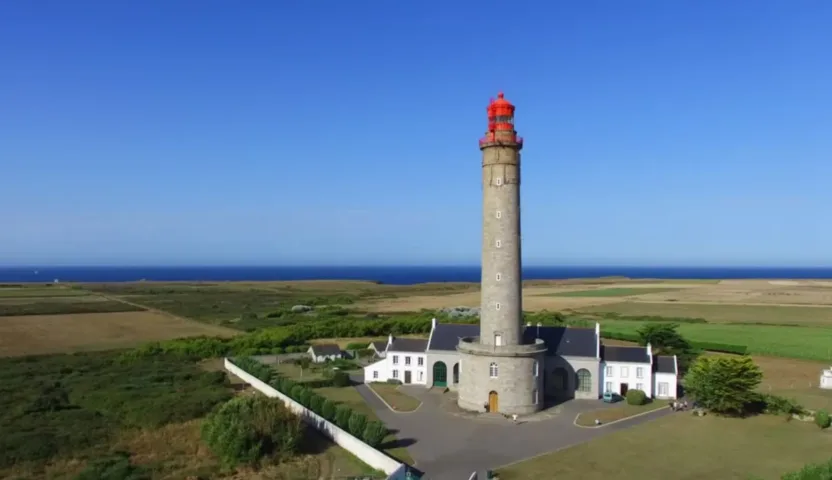
Standing in the town of Bangor since 1835, the Grand Phare de Goulphar is one of the most powerful lighthouses in Brittany. Discover the secrets of Augustin Fresnel's optics and climb its 247 steps for an unforgettable panoramic view of the Atlantic.

Hugo
Belle-Île-en-Mer

Herlin Beach on Belle-Île: Swimming, Access, and Practical Tips

Discover Herlin Beach, a secluded cove nestled among the cliffs of Belle-Île. With its crystal-clear waters, fine sand, and supervised swimming, it’s the perfect family getaway on the south coast, just 20 minutes from Le Palais

Hugo
Belle-Île-en-Mer

The Northern Finistère Lighthouse Route: Guide, Tours, and History

A land of seafarers and legends, Northern Finistère is home to the world’s highest concentration of lighthouses. Along this spectacular coastal route, set out to discover these stone sentinels that brave the elements. A refreshing and fascinating road trip to enjoy during your stay, offering a truly epic Breton experience.

Hugo